The Divine Hunter of Malabar: A Comprehensive Research Study of Sree Muthappan Theyyam and the Cultural Tapestry of Parassinikadavu
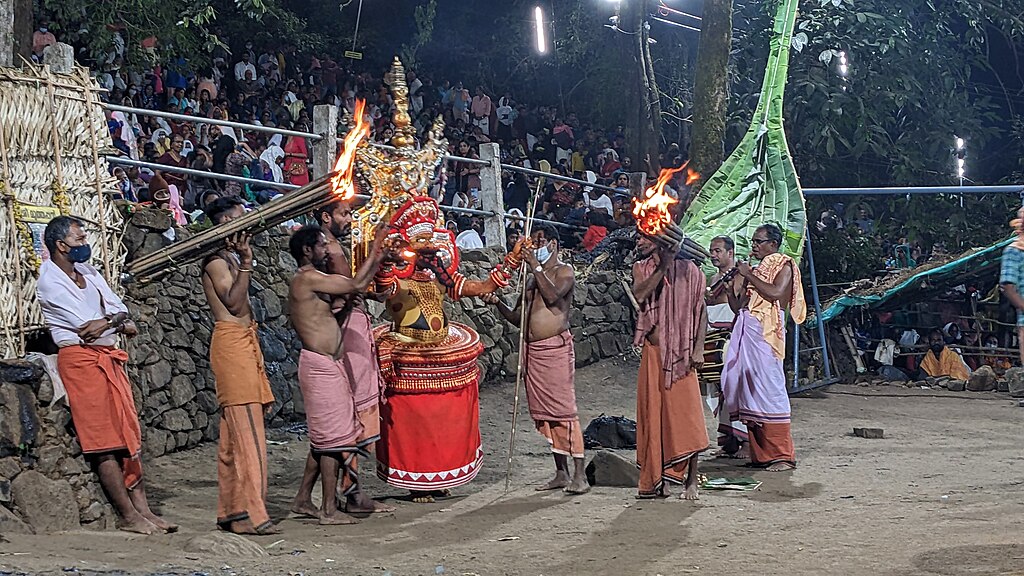
The cultural heritage of North Malabar is a living, breathing entity, often manifested through the vibrant ritual art form known as Theyyam. Among the myriad deities that grace the sacred groves and shrines of this region, Sree Muthappan stands as a singular figure of devotion, social reform, and radical inclusivity.1 Unlike the distant, idol-based worship characteristic of mainstream Brahmanical temples, Sree Muthappan is a 'living' deity, a folk god who interacts directly with his devotees through the medium of the Theyyam performer.3 This report provides an exhaustive analysis of Sree Muthappan, exploring the deity's mythological origins, ritualistic complexities, unique worship practices at Parassinikadavu Madappura, and the profound sociological impact of his legend on the people of Kerala and beyond.5
The Mythological Synthesis: Origins of a Folk Hero
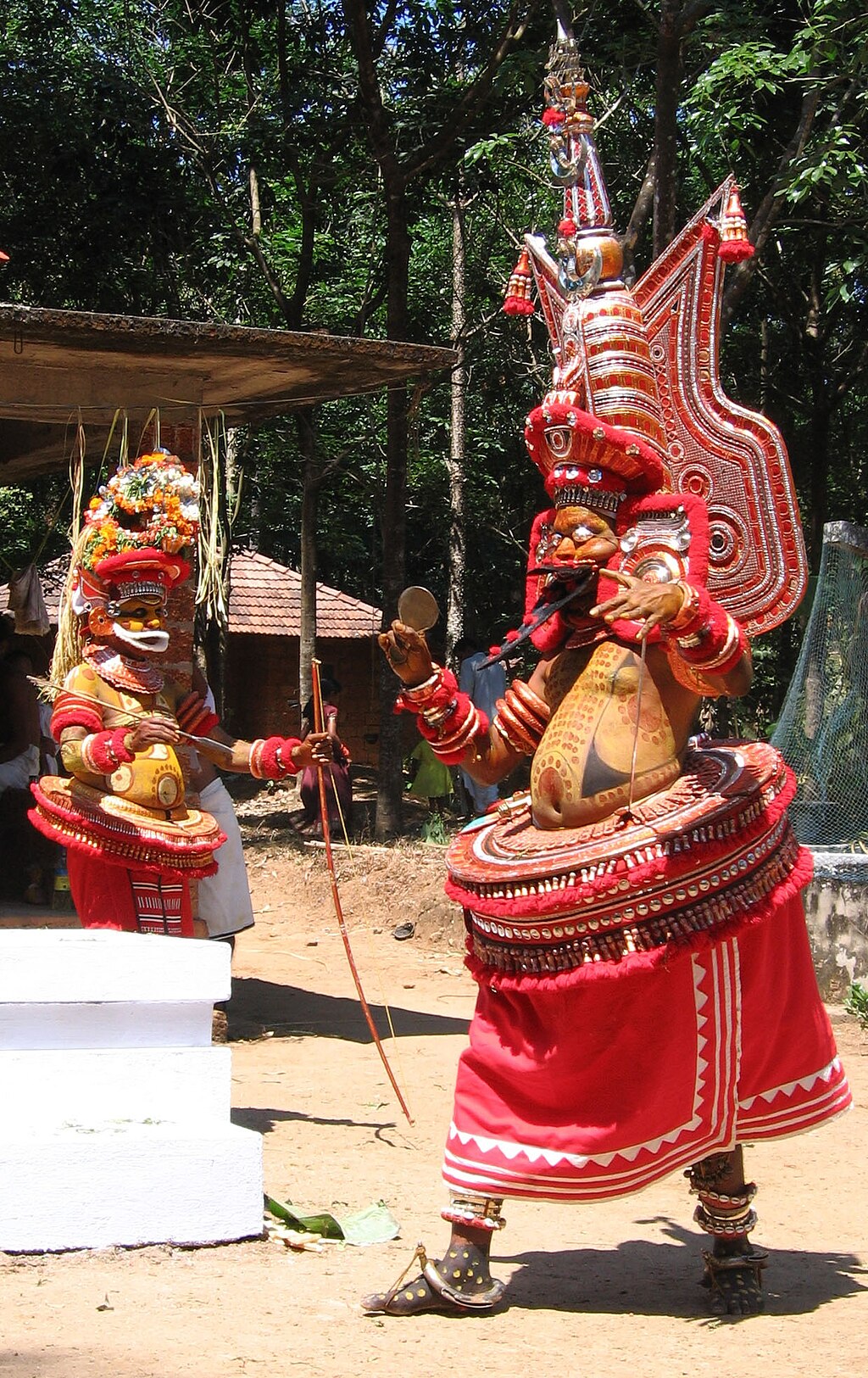
Thiruvappana and Muthappan
Courtesy: Omnipotent, Public domain, via Wikimedia Commons
The legend of Sree Muthappan is not a singular narrative but a complex weave of Puranic elements and local tribal lore. He is considered the personification of two divine figures: Thiruvappana (associated with Lord Vishnu) and Vellattom (associated with Lord Shiva).5 This dual identity represents a rare syncretic fusion in Indian mythology, where the static, protective energy of Vishnu meets the kinetic, fierce energy of Shiva in the form of Kaalabhairava.5
The Ayyankara Illam and the Divine Child
The story begins in the hilly eastern region of Kannur, in the village of Eruvessy.5 Ayyankara Vazhunavar, a noble ruler of the region, and his wife Padikutty Amma, lived in the famous Ayyankara Illam.5 Despite their status and devotion, the couple was distressed by their childlessness.5 Padikutty Amma, an ardent devotee of Lord Shiva, performed rigorous sacrifices and prayers.9 Her faith was rewarded when, while returning from a ritual bath in the river, she discovered a radiant baby boy lying on a flat rock or a flower bed.7
The boy was raised as a Brahmin, studying the Vedas and undergoing the sacred thread ceremony (Upanayana).10 However, as he grew, his behavior diverged sharply from the expected norms of his caste. He displayed a profound empathy for the marginalized and the poor, often leaving the confines of his aristocratic home to mingle with 'low-caste' communities.1 More controversially, he developed a penchant for hunting and the consumption of meat, fish, and toddy—items strictly forbidden in a Satvic Brahminical household.10
The Manifestation of Visvaroopam and the Act of Self-Sacrifice
The tension between the boy's divine nature and his family's expectations reached a breaking point when his father admonished him for his 'polluting' habits.10 In response, the boy revealed his Visvaroopam, the cosmic, all-pervading form of the Almighty.5 The intensity of his divine wrath was such that everything he gazed upon turned to ash.5 His mother, realizing his divinity, pleaded with him to spare the world from his destructive gaze.5 In a moment of supreme compassion that defines the humane character of this deity, the boy pierced his own eyes so that his vision would no longer disintegrate creation.5 This 'divine blindness' is preserved in the Theyyam performance through the use of silver eye-shields (vellikunnu).13
| Attribute of the Divine Boy | Traditional Brahmanical View | Muthappan's Revolutionary Stance |
|---|---|---|
| Dietary Habits | strictly vegetarian (Satvic)10 | Consumption of meat, fish, and toddy11 |
| Social Conduct | Segregation and caste hierarchy10 | Mingling with the 'low-caste' and poor10 |
| Spiritual Form | Bound by ritual and Vedic study10 | Manifestation of Visvaroopam beyond caste5 |
| Ecological Connection | Temple-centric worship5 | Hunter god roaming the forests1 |
The Sacred Path: Kunnathoor Padi and Parassinikadavu
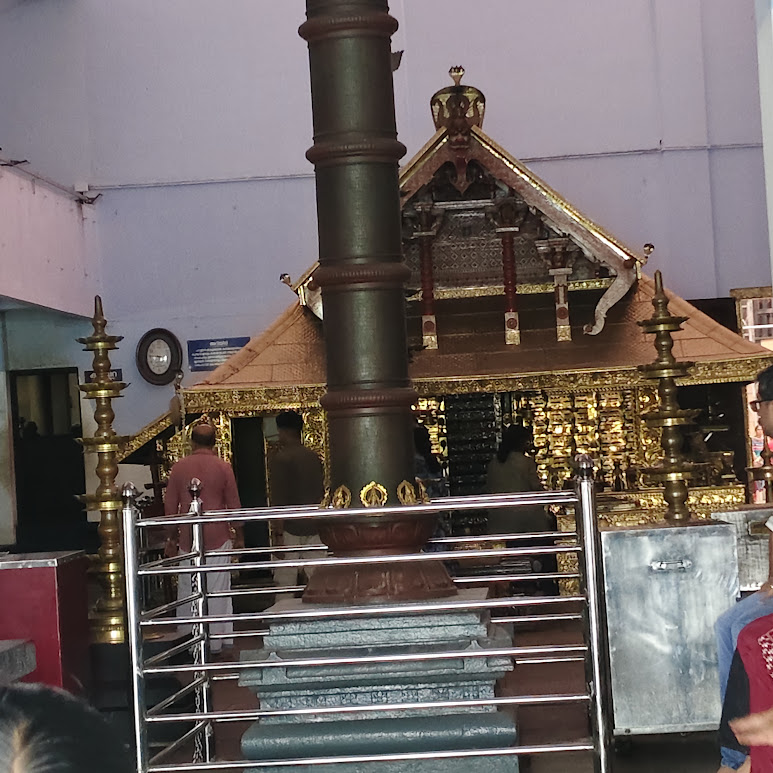
Following his departure from Eruvessy, the deity embarked on a journey through the wilderness of North Malabar, accompanied by a faithful hunting dog.10 This period of wandering established the ritual landscape of the Muthappan cult.
The Encounter at Kunnathoor Padi
At the pinnacle of a hill named Kunnathur Padi, the deity was drawn to the natural beauty and the abundance of toddy palms.10 Chandan, an illiterate toddy tapper, noticed that his sap was being stolen.8 While guarding the trees one night, he encountered an old man drinking the toddy. When Chandan attempted to shoot the intruder with his bow and arrow, he was instantly struck unconscious.8 It was Chandan's wife who first addressed the figure as 'Muthappan' (Grandfather), a term of familial love and respect.8 She offered him what little she had: boiled grams, coconut slices, and toddy.8 These humble items became the sacred offerings of the cult, demonstrating that Sree Muthappan values the devotion of the poor over elaborate Brahminical rituals.3
Social Reformation and Radical Inclusivity
Sree Muthappan is celebrated as a "social reformer" who took birth during a time of extreme Brahminical domination.10 His life and legends are centered on the dismantling of the rigid caste system and the protection of the "untouchables" and the poor.1
A Sanctuary Beyond Caste and Creed
One of the most remarkable features of the Parassinikadavu temple is its commitment to universal brotherhood.1 While many traditional temples in Kerala historically restricted entry based on caste or religion, the Madappuras of Sree Muthappan have always been open to everyone—Hindus, Muslims, Christians, and foreigners alike.3
This inclusivity is best illustrated by the active participation of the Muslim community in Muthappan festivals.5 An anecdote tells of a Theyyam artist at a shrine comforting a Muslim woman with the words, "Come here, you're not different," a sentiment that resonates deeply in Kerala's history of communal harmony.22 This spirit of secularism is reinforced by the Annaprasadam (shared meal), where individuals from all walks of life—from high-ranking officials to local fishermen—sit together to consume the same food.7
The Ethics of Administration: The Broken Collection Box
The "humane" philosophy of the deity extends to the administration of his shrines.13 At one Muthappan temple, the chief priest reportedly left the collection box unlocked after it was found broken and emptied.10 The priest's reasoning was that if someone were in such dire need that they had to steal from the Lord, then the money had already reached its intended purpose.10 This emphasis on helping the needy over hoarding temple wealth defines the administrative ethos of the Parassinikadavu Madappura, which provides free meals and accommodation to all visitors.6
The Sacred Canine: Empathy as Divine Command
The reverence for dogs is perhaps the most distinctive characteristic of Sree Muthappan worship.3 In many cultures, stray animals are viewed as a nuisance or a source of pollution, but at the Parassinikadavu temple, they are regarded as the divine companions and bodyguards of the Lord.5
Nayoottu and the Ritual of the First Offering
The presence of dogs is not merely symbolic; it is integrated into the daily liturgy. Bronze dog statues stand at the temple entrance, and dozens of real dogs roam the premises freely.3
- Nayoottu Ritual: The practice of feeding the temple dogs is a core ritual performed every morning and evening.3
- The First Serving: In an act that subverts human-centric religious hierarchies, the very first portion of the temple's Prasadam is served to a dog before any human devotee receives it.1
This deep bond with animals is rooted in the deity's identity as a hunter.5 Legend warns that whenever the dogs were mistreated or removed from the temple, the divine spirit of Sree Muthappan would refuse to enter the Theyyam performer's body, only returning when the animals were welcomed back.5 This narrative serves as a powerful "life lesson" in compassion and the interconnectedness of all living beings.10
Ecological Spirituality: The Divine Connection to Nature
Sree Muthappan's legend is inseparable from the natural landscape of North Malabar.7 His journey from the Brahminical Illam to the riverside at Parassinikadavu is a narrative of returning to the wild.5 This connection manifests in the "eco-spiritual" practices of the temple:
- Sustainable Materials: The Mudi and costumes are crafted from renewable resources like tender coconut leaves, bamboo, and flowers gathered from local forests.2
- Natural Adornments: Offerings are traditionally served in coconut kernels and banana leaves, ensuring minimal ecological impact.7
- Sacred Groves: Many Muthappan shrines are located in or near Kaavus (sacred groves), which serve as critical biodiversity hotspots and natural sanctuaries.12
The deity's preference for Kunnathoor's natural beauty and the "sacred water" of the Valapattanam River serves as a reminder to modern devotees of the importance of environmental conservation.7
The Divine Dialogue: Consolation and Guidance
The climax of any Muthappan Theyyam performance is the interaction between the deity and the devotees.4 Once the dance is complete, the performer—still in a state of trance—sits down to receive the people.4
Devotees approach Sree Muthappan with folded hands and tears in their eyes, whispering their deepest griefs and queries into his ear.8 The deity responds with a distinctive, loud laugh and provides rapid, accurate guidance.10 Whether it is a lost item, a family conflict, or an illness, the "Hunter God" is believed to track down the source of the problem and provide a resolution.8 This direct dialogue transforms the religious experience from a passive ritual into a profound emotional and psychological consultation.8
Conclusions: The Living Spirit of Parassinikadavu
Sree Muthappan is more than a mythological figure; he is the embodiment of the resilience, empathy, and inclusive spirit of the people of North Malabar.7 By rejecting the hierarchies of his birth and choosing the life of a hunter among the marginalized, he created a spiritual path that values the "Grandfather-child" bond over cold ritualism.8
The Parassinikadavu Madappura remains a beacon of this humane philosophy, offering a space where dogs are worshipped, the poor are fed, and every devotee—regardless of their background—is treated as a divine guest.3 As the daily beats of the Chenda echo along the banks of the Valapattanam River, they continue to tell the story of a God who blinded himself to save the world, who drinks toddy with the working man, and who reminds us all that true divinity lies in our compassion for every living creature.5 For the global visitor and the local pilgrim alike, Sree Muthappan offers a rare and beautiful glimpse into a faith that is truly of the people, by the people, and for the people.16
Social Reformation and Radical Inclusivity
Sree Muthappan is celebrated as a "social reformer" who took birth during a time of extreme Brahminical domination.10 His life and legends are centered on the dismantling of the rigid caste system and the protection of the "untouchables" and the poor.1
A Sanctuary Beyond Caste and Creed
One of the most remarkable features of the Parassinikadavu temple is its commitment to universal brotherhood.1 While many traditional temples in Kerala historically restricted entry based on caste or religion, the Madappuras of Sree Muthappan have always been open to everyone—Hindus, Muslims, Christians, and foreigners alike.3
This inclusivity is best illustrated by the active participation of the Muslim community in Muthappan festivals.5 An anecdote tells of a Theyyam artist at a shrine comforting a Muslim woman with the words, "Come here, you're not different," a sentiment that resonates deeply in Kerala's history of communal harmony.22 This spirit of secularism is reinforced by the Annaprasadam (shared meal), where individuals from all walks of life—from high-ranking officials to local fishermen—sit together to consume the same food.7
The Ethics of Administration: The Broken Collection Box
The "humane" philosophy of the deity extends to the administration of his shrines.13 At one Muthappan temple, the chief priest reportedly left the collection box unlocked after it was found broken and emptied.10 The priest's reasoning was that if someone were in such dire need that they had to steal from the Lord, then the money had already reached its intended purpose.10 This emphasis on helping the needy over hoarding temple wealth defines the administrative ethos of the Parassinikadavu Madappura, which provides free meals and accommodation to all visitors.6
The Sacred Canine: Empathy as Divine Command
The reverence for dogs is perhaps the most distinctive characteristic of Sree Muthappan worship.3 In many cultures, stray animals are viewed as a nuisance or a source of pollution, but at the Parassinikadavu temple, they are regarded as the divine companions and bodyguards of the Lord.5
Nayoottu and the Ritual of the First Offering
The presence of dogs is not merely symbolic; it is integrated into the daily liturgy. Bronze dog statues stand at the temple entrance, and dozens of real dogs roam the premises freely.3
- Nayoottu Ritual: The practice of feeding the temple dogs is a core ritual performed every morning and evening.3
- The First Serving: In an act that subverts human-centric religious hierarchies, the very first portion of the temple's Prasadam is served to a dog before any human devotee receives it.1
This deep bond with animals is rooted in the deity's identity as a hunter.5 Legend warns that whenever the dogs were mistreated or removed from the temple, the divine spirit of Sree Muthappan would refuse to enter the Theyyam performer's body, only returning when the animals were welcomed back.5 This narrative serves as a powerful "life lesson" in compassion and the interconnectedness of all living beings.10
Ecological Spirituality: The Divine Connection to Nature
Sree Muthappan's legend is inseparable from the natural landscape of North Malabar.7 His journey from the Brahminical Illam to the riverside at Parassinikadavu is a narrative of returning to the wild.5 This connection manifests in the "eco-spiritual" practices of the temple:
- Sustainable Materials: The Mudi and costumes are crafted from renewable resources like tender coconut leaves, bamboo, and flowers gathered from local forests.2
- Natural Adornments: Offerings are traditionally served in coconut kernels and banana leaves, ensuring minimal ecological impact.7
- Sacred Groves: Many Muthappan shrines are located in or near Kaavus (sacred groves), which serve as critical biodiversity hotspots and natural sanctuaries.12
The deity's preference for Kunnathoor's natural beauty and the "sacred water" of the Valapattanam River serves as a reminder to modern devotees of the importance of environmental conservation.7
The Divine Dialogue: Consolation and Guidance
The climax of any Muthappan Theyyam performance is the interaction between the deity and the devotees.4 Once the dance is complete, the performer—still in a state of trance—sits down to receive the people.4
Devotees approach Sree Muthappan with folded hands and tears in their eyes, whispering their deepest griefs and queries into his ear.8 The deity responds with a distinctive, loud laugh and provides rapid, accurate guidance.10 Whether it is a lost item, a family conflict, or an illness, the "Hunter God" is believed to track down the source of the problem and provide a resolution.8 This direct dialogue transforms the religious experience from a passive ritual into a profound emotional and psychological consultation.8
Conclusions: The Living Spirit of Parassinikadavu
Sree Muthappan is more than a mythological figure; he is the embodiment of the resilience, empathy, and inclusive spirit of the people of North Malabar.7 By rejecting the hierarchies of his birth and choosing the life of a hunter among the marginalized, he created a spiritual path that values the "Grandfather-child" bond over cold ritualism.8
The Parassinikadavu Madappura remains a beacon of this humane philosophy, offering a space where dogs are worshipped, the poor are fed, and every devotee—regardless of their background—is treated as a divine guest.3 As the daily beats of the Chenda echo along the banks of the Valapattanam River, they continue to tell the story of a God who blinded himself to save the world, who drinks toddy with the working man, and who reminds us all that true divinity lies in our compassion for every living creature.5 For the global visitor and the local pilgrim alike, Sree Muthappan offers a rare and beautiful glimpse into a faith that is truly of the people, by the people, and for the people.16
References
- K.K.N. Kurup, Theyyam: A Ritual Dance of North Malabar, Kerala Folklore Academy, Thrissur.
- Kerala Folklore Academy, Visual and Performance Documentation Series: Theyyam Costumes and Ritual Objects, Thrissur.
- M.G.S. Narayanan, Cultural Symbiosis in Kerala, Kerala Historical Society, Thiruvananthapuram.
- C. Karunakaran, North Malabar Folk Traditions, Mathrubhumi Books, Kozhikode.
- K. Damodaran, Folk Deities of Kerala, DC Books, Kottayam.
- Parassinikadavu Muthappan Madappura Trust, Temple Administration and Annaprasadam Practices, Official Publications.
- Kottarathil Sankunni, Aithihyamala, DC Books, Kottayam.
- Kerala Folklore Research Centre, Kannur, Oral Narratives and Performer Testimonies on Muthappan Theyyam.
- P.K. Gopalakrishnan, Shaiva Traditions of Kerala, University of Kerala Press.
- M.N. Srinivas, Religion and Society among the Coorgs of South India, Oxford University Press; N.K. Bose, The Structure of Hindu Society, Orient Longman.
- Ethnographic Field Notes on Muthappan Worship Practices, Kerala Folklore Academy Archives.
- Kerala State Biodiversity Board, Sacred Groves (Kaavu) of North Malabar.
- Kerala Folklore Academy, Ritual Symbolism in Theyyam Performances.
- Temple Musicology Records, Percussion Traditions of Malabar, Department of Culture, Government of Kerala.
- Performer Interviews, Parassinikadavu, documented in Kerala Folklore Academy Audio Archives.
- Cultural Tourism Department, Government of Kerala, Muthappan Worship and Living Folk Traditions.
- David Kinsley, Hindu Gods and Goddesses: Visions of the Divine in the Hindu Religious Tradition, University of California Press.
- Studies on Rhythm, Trance, and Cognitive Response in Kerala Percussion Traditions, Department of Psychology, University of Calicut.
- Kerala State Gazetteer, Kannur District, Government of Kerala.
- Temple Musical Instruments Documentation Project, Kerala Sangeetha Nataka Akademi.
- Tribal Cultural Studies of North Malabar, Scheduled Tribe Development Department, Kerala.
- Oral Accounts on Interfaith Participation in Muthappan Worship, collected from Parassinikadavu region.