Kerala Folklore

Unveiling the Rich Tapestry of Tradition, Art, and Culture from God's Own Country.

Kerala Folklore and World Mythology: Rituals, Psychology, Belief Systems, and Living Traditions

Welcome to the research-driven blog of KeralaFolklore.com—a global knowledge space that explores folklore not as relic or superstition, but as a living system of belief, psychology, ritual performance, ecological intelligence, and cultural memory. While Kerala is internationally recognized for visual traditions like Theyyam, Kathakali, and temple festivals, the deeper folkloric mechanisms that shape everyday life—fear narratives, agrarian calendars, food rituals, ghost beliefs, ancestor worship, oral myth-making, and social critique—remain largely absent from global folklore conversations. This blog exists to address that absence.

Drawing from folklore studies, anthropology, psychology, ritual theory, and comparative mythology, our articles position Kerala’s traditions within a broader world context—connecting village narratives with global mythic patterns, digital folklore, game narratives, and contemporary cultural anxieties.

Why Kerala Folklore Holds Global Relevance

Kerala folklore represents a rare continuity where ancient belief systems still function within modern society. Its traditions do not survive as museum artifacts but remain active through ritual, performance, oral memory, seasonal practice, and evolving digital expressions. Several characteristics make this folklore globally significant:

  • Folklore as Psychological Infrastructure: Ghost stories, fear omens, spirit possession narratives, and trickster figures operate as emotional technologies—helping societies process death, uncertainty, moral boundaries, and collective trauma. These patterns mirror universal psychological structures found across world folklore.
  • Indigenous Science and Ecological Knowledge: Systems such as Njattuvela and texts like Krishi Gita encode centuries of meteorological observation, soil behavior, crop cycles, and sustainable farming practices. Far from superstition, these are empirically evolved knowledge systems comparable to indigenous sciences worldwide.
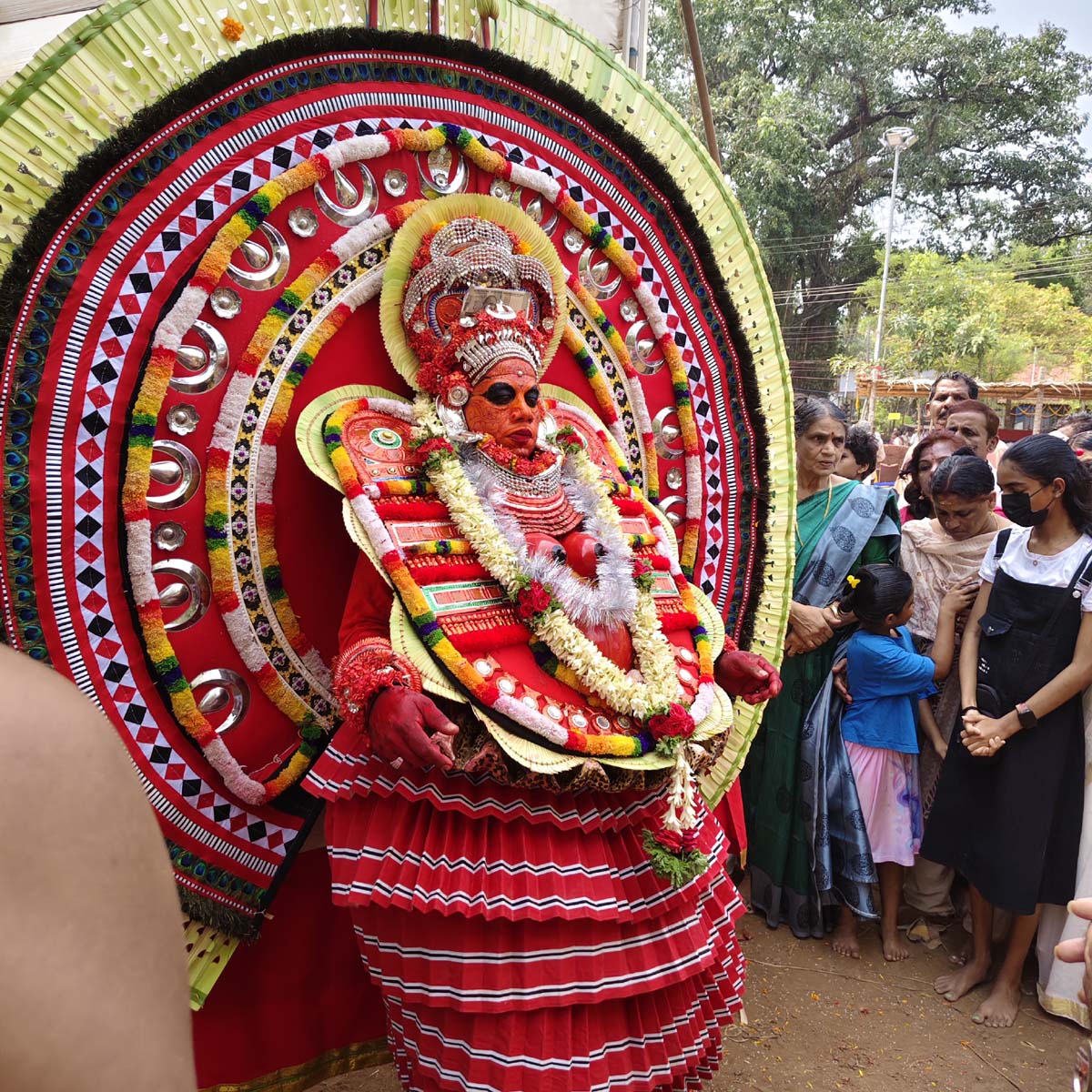
  • Ritual as Social Negotiation: Ritual performances like Theyyam function simultaneously as theology, social memory, political commentary, and historical archive—where caste, power, injustice, and ancestral authority are openly negotiated through performance.
  • Syncretic Belief Systems: Kerala folklore seamlessly integrates Hindu, Islamic, Christian, and local spirit traditions. From Mappilappattu to saint legends and magical narratives, belief systems overlap rather than compete—offering a rare model of cultural coexistence.
  • Transition into Digital and Popular Culture: Traditional myths now reappear in video games, horror fiction, digital folklore, tourism narratives, and online myth-making—demonstrating how folklore evolves without losing its symbolic core.

This blog documents these dimensions through long-form, research-backed essays written for a global readership—scholars, students, cultural researchers, game designers, writers, travelers, and anyone interested in how belief systems shape human societies.

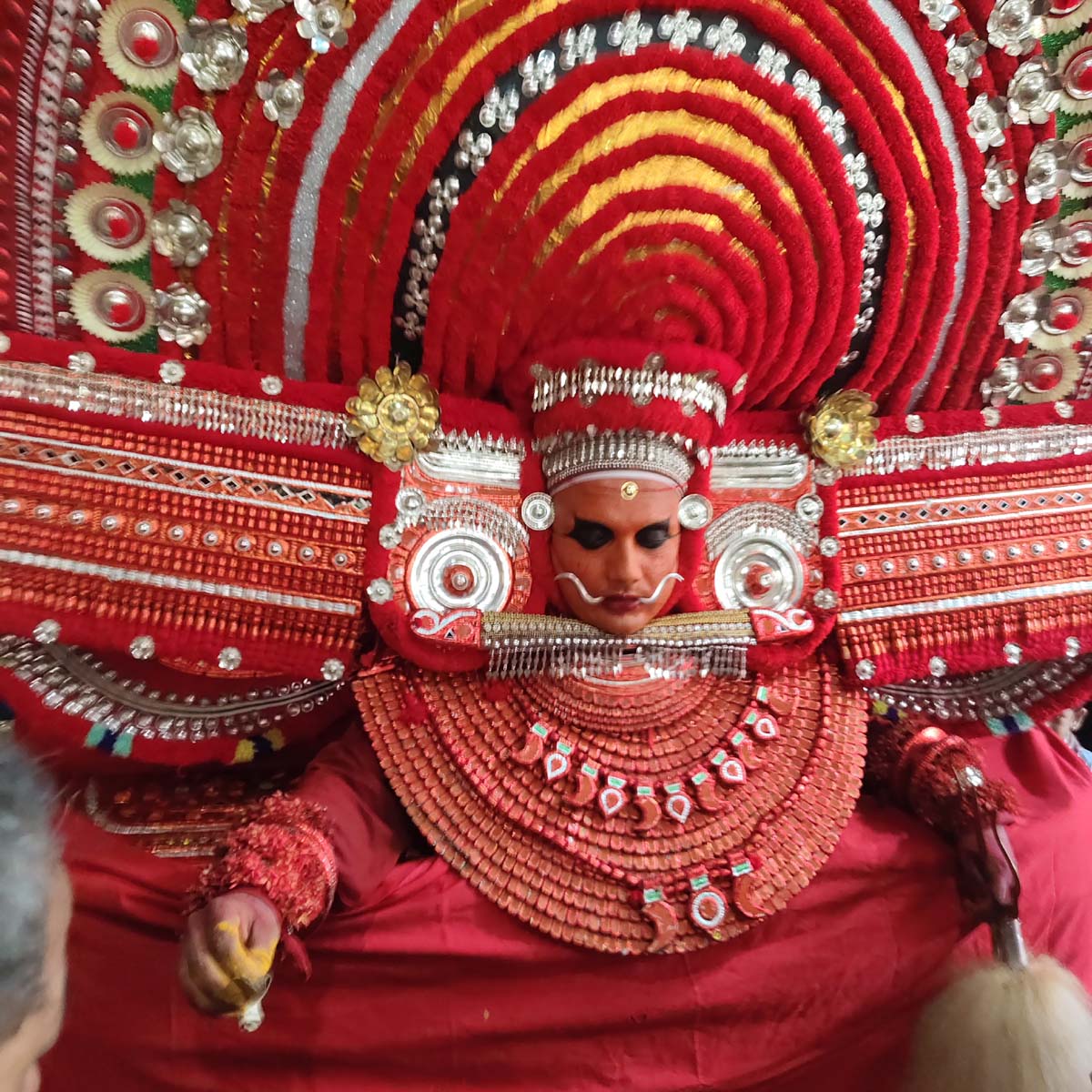
The Divine Feminine in the Ritual Shadow: A Feminist and Sociological Inquiry into Kerala’s Theyyam

This article examines Theyyam through a feminist and sociological lens, focusing on how the ritual constructs, invokes, and controls the idea of the divine feminine within Kerala’s ritual culture. While Theyyam powerfully embodies goddesses, mother spirits, and female supernatural forces, the performance remains embedded in a deeply patriarchal social order. By analyzing ritual roles, caste dynamics, performative gender, and the tension between sacred power and social restriction, the essay explores how feminine divinity is both elevated and confined. Situating Theyyam within broader debates on ritual authority, body politics, and symbolic power, the article invites a critical rethinking of gender, devotion, and agency in Kerala’s living ritual traditions.

Meta Folklore: When Tradition Begins to Reflect on Itself

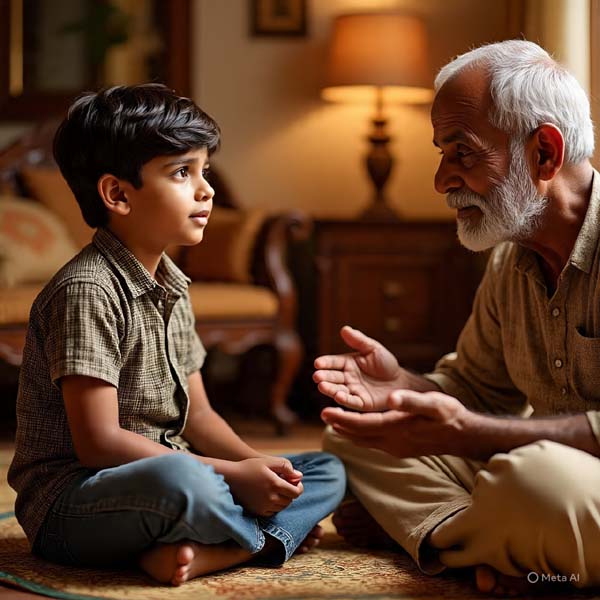
This article explores the concept of meta folklore—the moment when folklore becomes self-aware and begins to interpret, preserve, critique, and reinvent its own traditions. Tracing examples from oral storytelling, ritual performance, archival practices, and digital culture, the essay examines how communities consciously reflect on their inherited myths and symbols. By positioning Kerala’s folklore alongside global examples, the article reveals folklore not merely as inherited tradition, but as a reflective cultural intelligence that observes itself across time, media, and social change.

The Unbroken Thread: Alappuzha Coir, A Tapestry Woven by the Backwaters

This article examines Alappuzha’s coir tradition as a form of material folklore—where ecology, labour, craft knowledge, and community memory intertwine. Tracing the journey from coconut husk to global export, it explores how coir-making preserved sustainable practices, gendered labour histories, and regional identity along Kerala’s backwaters. Beyond craftsmanship, the essay positions coir as a cultural archive that records the relationship between nature, livelihood, colonial trade, and modern innovation.

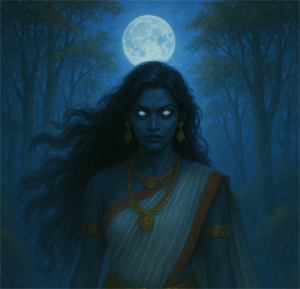
Unmasking the Collective Unconscious: The Jungian Archetypes of Shadow, Hero, and the Sacred Feminine in Kerala Folklore

This article interprets Kerala folklore through the lens of Jungian psychology, focusing on the archetypes of the Shadow, the Hero, and the Sacred Feminine. Drawing from myths, ritual narratives, spirit traditions, and oral legends, it demonstrates how universal psychological patterns find localized expression within Kerala’s cultural imagination. By connecting collective unconscious theory with lived folklore, the essay offers insight into how mythic symbols shape identity, morality, fear, devotion, and social balance across generations.

The Ancestral Veil and the Spirit Wild: A Global Comparison of Veneration and Worship

This comparative study explores spirit and ancestor worship as a shared human response to death, memory, and continuity across cultures. Examining practices from Kerala alongside traditions in Asia, Africa, Europe, and the Americas, the article analyzes how rituals of veneration sustain moral order, lineage identity, and cosmological balance. Rather than treating spirit belief as superstition, the essay frames it as a cultural system that mediates between the living, the dead, and the unseen.

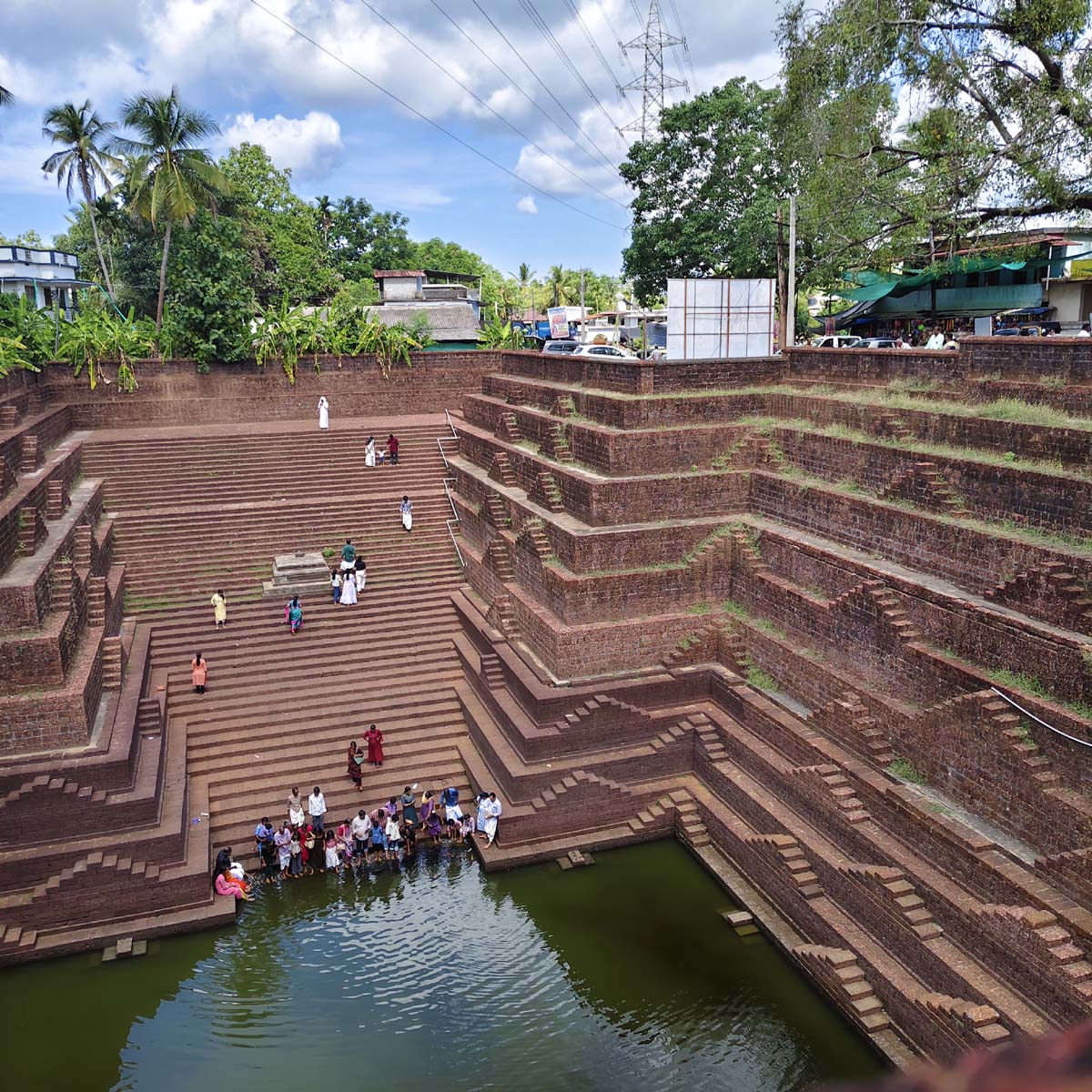
North Kerala’s Living Heritage: A Definitive Guide and Itinerary for Experiencing the Theyyam Ritual

This guide presents North Kerala as a living folkloric landscape where ritual, history, and community life remain inseparable. Centered on the Theyyam tradition, the article traces how performance, sacred geography, temple networks, and seasonal cycles shape regional identity. Designed for culturally responsible travelers, it emphasizes ethical engagement, ritual literacy, and respect for local communities—positioning heritage tourism as participation in living tradition, not spectacle.

The Global Nexus of Lore: Latest Trends in Modern Folklore and the 21st Century Revival

This article maps the evolving landscape of 21st-century folklore, examining how ancient myths transform within digital environments such as creepypasta, gaming cultures, social media, generative AI, and online communities. By tracing global revival movements and digital myth-making, it reveals how folklore continues to respond to contemporary anxieties, technological change, and cultural memory—forming a global network where tradition and innovation converge.

Theophany vs. Duality: A Deep Comparative Study of Kerala's Theyyam and Bali's Barong—Asian Rituals of Divine Embodiment and Cosmic Balance

This comparative study examines Theyyam of Kerala and Barong of Bali as ritual systems of divine embodiment and cosmic negotiation. Analyzing symbolism, performance structure, mythic origins, and social function, the article reveals how both traditions allow the sacred to manifest within human bodies. By situating these rituals within Asian performance cosmology, the essay highlights shared concerns with balance, protection, moral order, and the visibility of the divine.

Njattuvela: Kerala’s Traditional Farming Calendar

This article explores Njattuvela as an indigenous meteorological and agricultural system developed through long-term ecological observation. Organized around a precise stellar-solar cycle, Njattuvela guided planting, sowing, and harvesting across generations. The essay positions this calendar not as folklore alone, but as an empirical knowledge tradition that reflects Kerala’s deep engagement with climate, seasonality, and sustainable farming practices.

Krishi Gita: The Timeless Repository of Agricultural Wisdom

This article examines Krishi Gita as a foundational text of Kerala’s agrarian folklore, where agricultural science was preserved through poetic transmission. Addressing soil health, seed selection, pest control, and seasonal logic, the essay demonstrates how practical ecological knowledge was embedded within accessible verse. The text stands as evidence that folklore functioned historically as a reliable archive of scientific and environmental understanding.

ആറന്മുള വള്ളസദ്യ: ചരിത്രം, ഐതിഹ്യം, ആചാരങ്ങൾ

ആറന്മുളയുടെ സാംസ്കാരിക പൈതൃകത്തെ നിർവചിക്കുന്ന വള്ളസദ്യ എന്ന ആചാരത്തെ സാമൂഹിക-ആചാരപരമായ ഒരു സമഗ്ര പഠനമായി ഈ ലേഖനം സമീപിക്കുന്നു. ഇതിന്റെ ചരിത്രപരമായ ഉത്ഭവം, ശ്രീകൃഷ്ണനുമായി ബന്ധപ്പെട്ട ഐതിഹ്യം, പള്ളിയോടങ്ങൾക്കും പങ്കാളികൾക്കും പാലിക്കേണ്ട കർശനമായ ആചാരക്രമങ്ങൾ എന്നിവ വിശദമായി വിലയിരുത്തുന്നു. ഭക്ഷണം, ഭക്തി, സമുദായ ഐക്യം എന്നിവ ഒരുമിച്ച് പ്രവർത്തിക്കുന്ന കേരളീയ സംസ്കാരത്തിന്റെ ജീവിച്ചിരിക്കുന്ന മാതൃകയായി വള്ളസദ്യയെ ഈ പഠനം അവതരിപ്പിക്കുന്നു.