Most Kerala travel guides send you to the backwaters of Alleppey and the tea gardens of Munnar. These are beautiful. But if you want to understand what Kerala is at its most profound — its oldest rituals, its living martial traditions, its oral literature and handcraft heritage — you have to go north. North Kerala is where the culture runs deepest, where ancient traditions are still lived rather than performed, and where a culturally literate traveller can have experiences that are simply unavailable anywhere else on Earth.
Why North Kerala Is the World's Most Extraordinary Cultural Destination
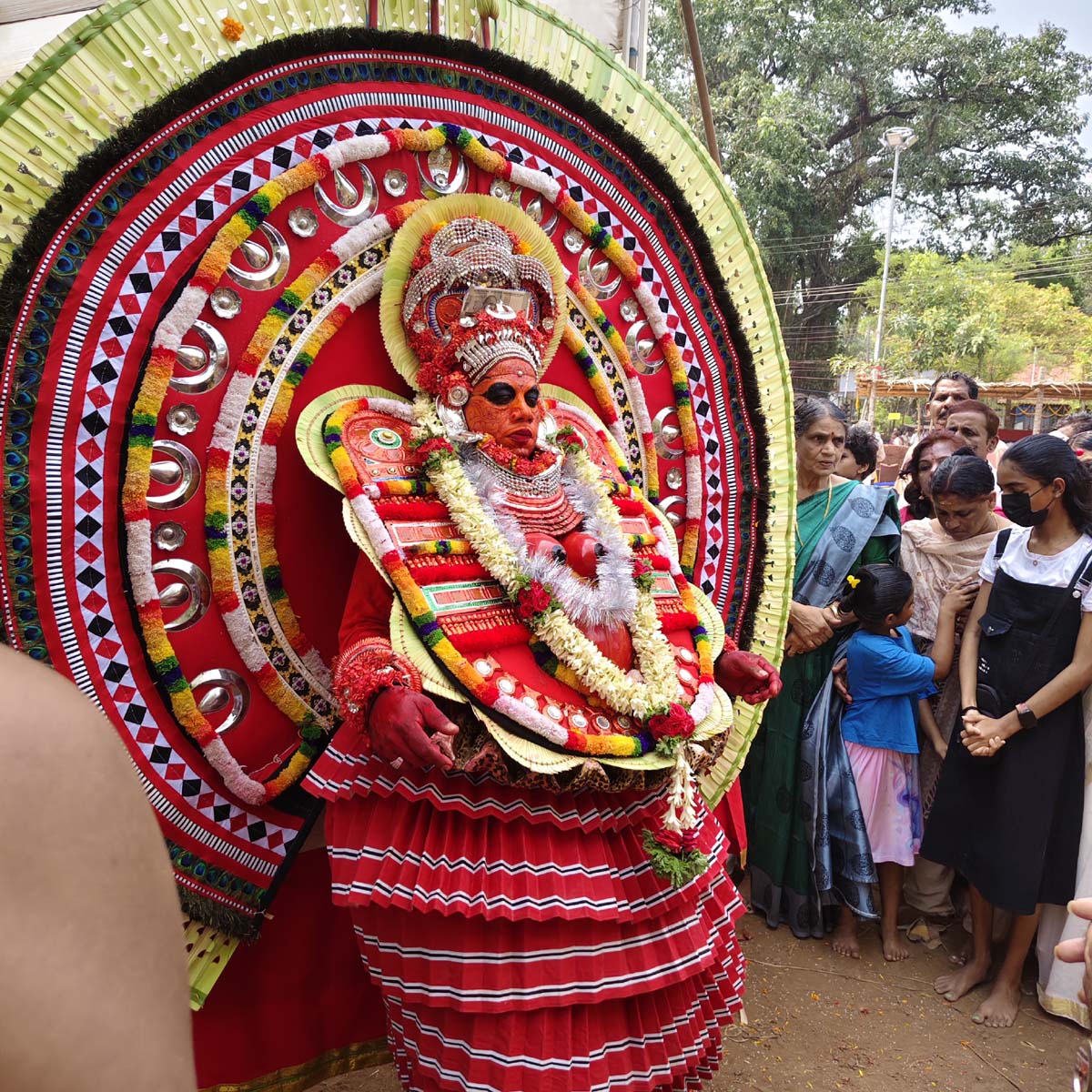
The term "cultural tourism" is often used to describe the kind of travel that involves visiting museums, watching choreographed folk dances, and eating in themed restaurants. North Kerala has nothing to do with that version of cultural tourism. What it offers instead is something rarer and more demanding: encounter with living culture — traditions that are practised not for visitors but for communities, that carry real spiritual weight, that have not been cleaned up or simplified for outside consumption.
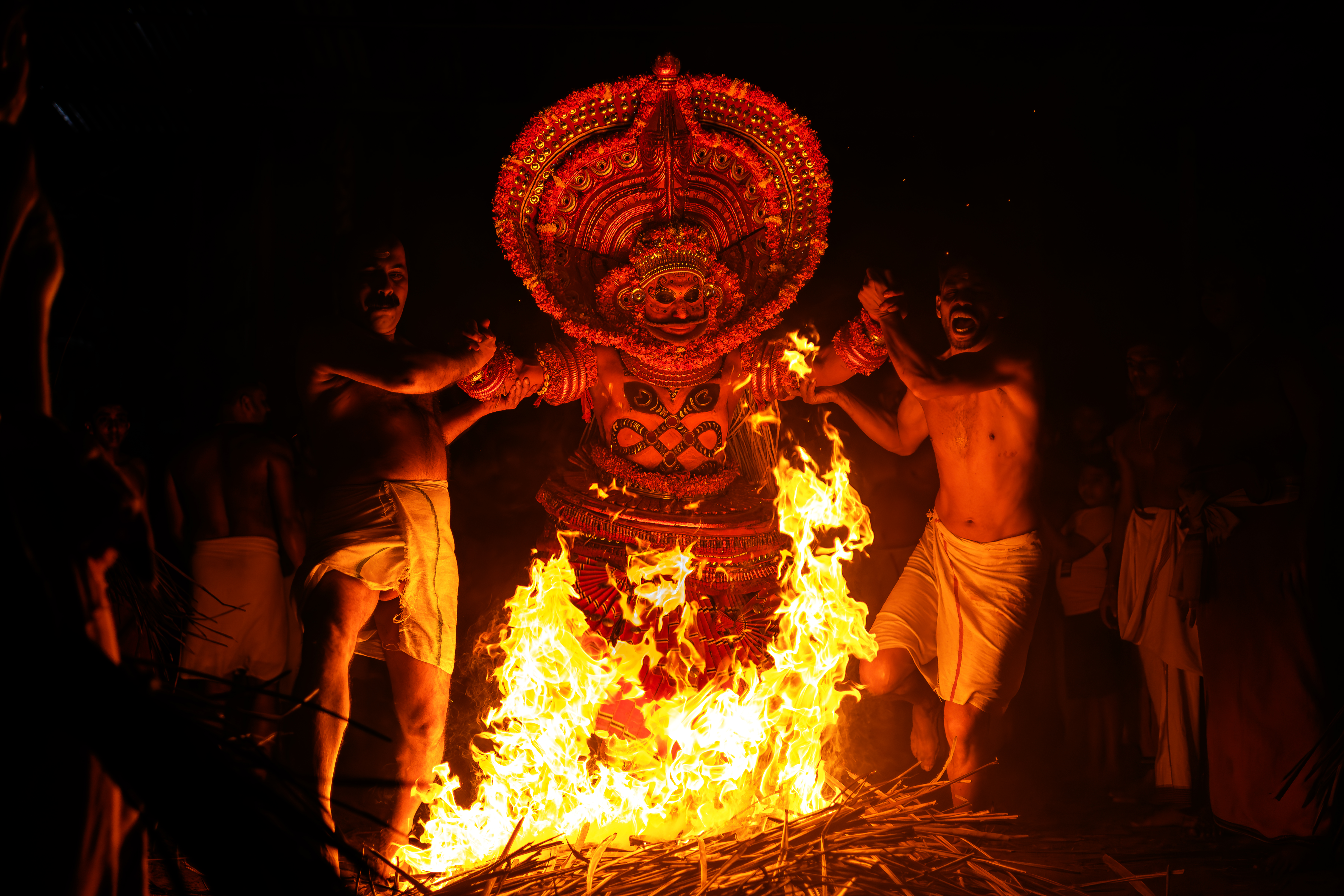
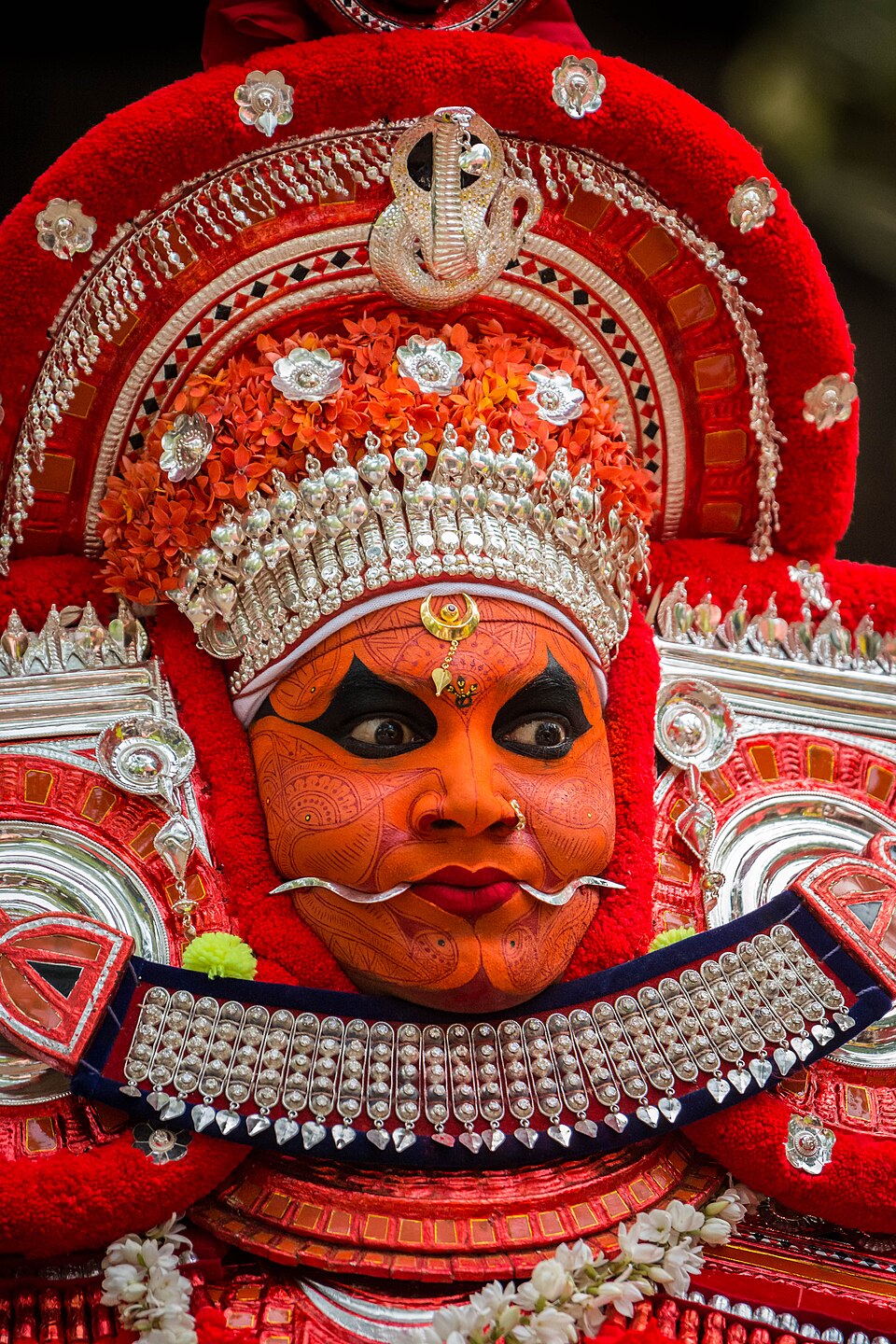
North Kerala — specifically the districts of Kannur and Kasaragod, and the northern reaches of Kozhikode and Wayanad — is home to a concentration of living cultural traditions that is extraordinary even by India's exceptional standards. Theyyam alone, with its 400+ forms performed in hundreds of kavus across the season, would make this region worth a journey from anywhere in the world. Add to that the oldest surviving martial art tradition, an oral literature tradition reaching back to the 12th century, ancient shipbuilding still practised without blueprints, temple architecture in sacred groves, and a tribal cultural heritage that predates written history — and you have something genuinely without parallel.
This guide is written for culturally curious travellers who want depth, not spectacle — people who would rather sit in a kavu at midnight for a genuine Theyyam than watch a forty-minute hotel performance. It covers what to see, how to behave, when to go, and why each tradition matters. For a deeper cultural foundation, read our full Theyyam guide and our overview of Kerala's social folklore before travelling.
The Theyyam Guide — How to Witness Kerala's Most Powerful Ritual

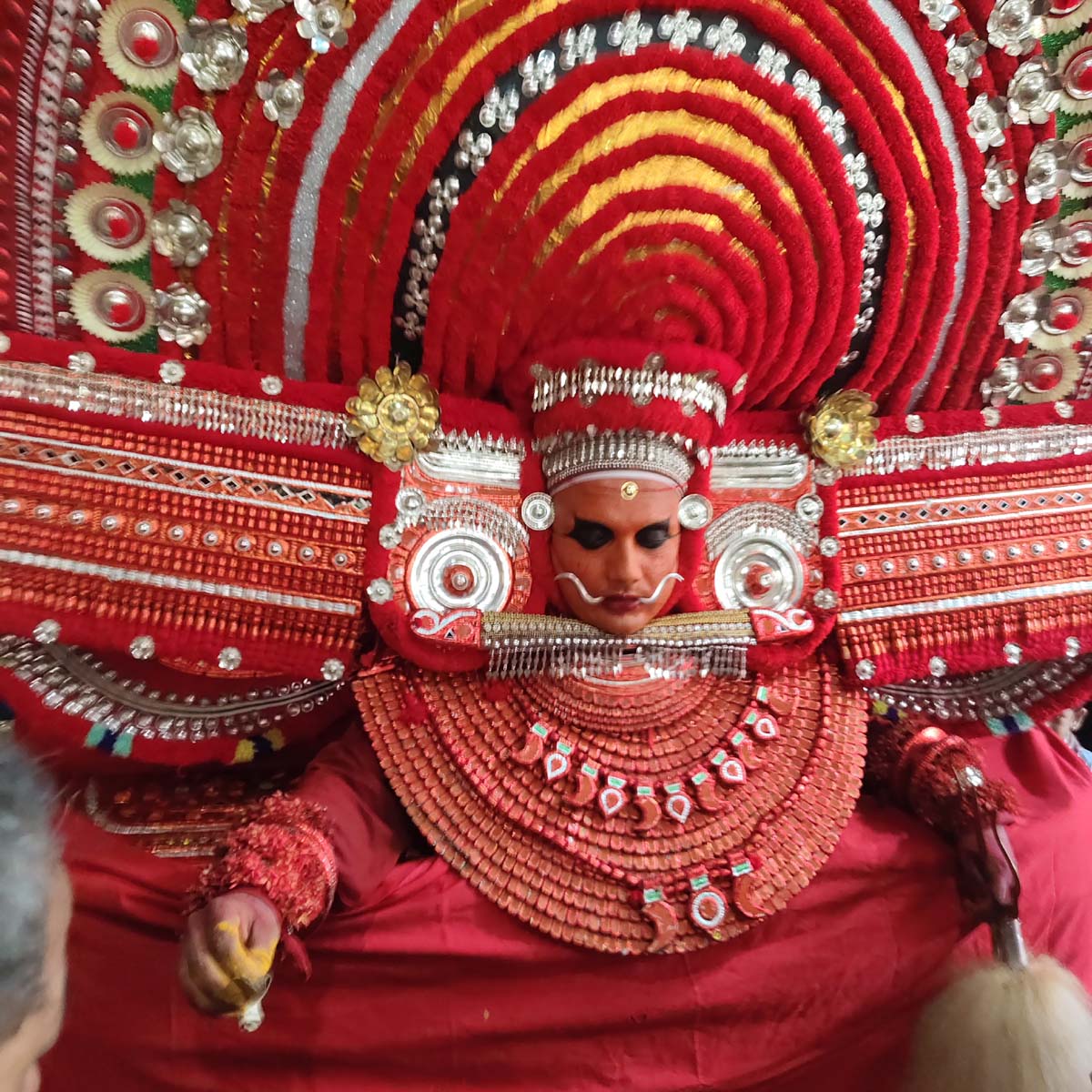
Theyyam is the reason most culturally serious travellers come to North Kerala. It is one of the world's last remaining ritual traditions where human performers genuinely embody deity — entering a trance state in which the divine is considered literally present in the performer's body. This is not metaphor or theatre. Devotees who have experienced Theyyam all their lives describe the manifested deity as a presence qualitatively different from the performer they know outside the ritual.
The Theyyam Season — When and Where
The Theyyam season runs from November to May, with the peak period being December through March. During these months, hundreds of Theyyam rituals are performed at kavus (sacred groves), tharavadus (ancestral homes), and temple precincts across Kannur and Kasaragod districts. The performances typically begin after nightfall and often continue through the night and into the early morning hours — this is not incidental. Theyyam is a tradition of darkness and firelight, and its visual power depends on that atmosphere.
If you are visiting outside the main season, Parassinikkadavu Muthappan Temple in Kannur offers Muthappan Theyyam daily throughout the year — making it the one location where you can experience genuine Theyyam regardless of when you arrive. This temple is unique in the Theyyam tradition for its complete inclusivity: it welcomes devotees of all castes, religions, and nationalities, and accepts the unusual offerings of dried fish and toddy that define the Muthappan deity's character.

How to Attend Theyyam Respectfully
This is the most important section of this guide. Theyyam is a sacred ritual conducted for a community's spiritual and social needs — not an event staged for visitors. The fact that visitors are generally welcome is a reflection of the tradition's inclusive spirit, not an invitation to treat it as entertainment. Here is how to behave:
- Arrive early and find a quiet position. Do not push to the front. Let devotees — whose relationship with this deity may span generations — have the access they need.
- Remove footwear before entering any sacred space. This is non-negotiable everywhere in a kavu.
- Dress modestly. Cover shoulders and knees as a minimum. Bright colours or clothing with text are out of place.
- Ask before photographing. Flash photography during the main ritual is disrespectful and disrupts the atmosphere for devotees. Many kavus prohibit photography during specific phases. Follow the instructions of the people around you.
- Do not touch the performer. During and immediately after the ritual, the performer is considered the deity incarnate. Contact requires invitation from the deity itself.
- Stay for the full ritual if you can. Arriving, taking photographs, and leaving after twenty minutes is the opposite of cultural immersion. Theyyam deepens over hours.
- Accept blessings if offered. If the manifested Theyyam offers a blessing, receiving it respectfully is the appropriate response. Declining or pulling away is insulting.
"The deepest cultural experience is not the one you observe from a distance but the one you are genuinely present for — the one where you stay long enough that it stops being interesting and starts being true."
— KeralaFolklore.comNotable Theyyam Kavus and Venues in Kannur
The kavus of North Kerala are not tourist sites with signboards and visitor centres. They are active sacred spaces, and finding Theyyam performances requires local knowledge, the Theyyam calendar (published annually by the Kannur and Kasaragod district tourist offices and available from the Kannur Folklore Academy), and a willingness to travel on small roads to small villages at inconvenient hours. This difficulty is part of the experience. The performances that are hardest to reach are invariably the most authentic.
Among the most significant venues: Chirakkal Chamundykkottam (the site of Rakthachamundy Theyyam, accessible from Kannur town), Andalur Kavu (Dharmmadam, Kannur), Sree Puthiyedath Kavu (Taliparampa), and Parassinikkadavu Muthappan Kshetram for year-round daily access. The full venues guide on our Theyyam page covers the sacred geography in detail.
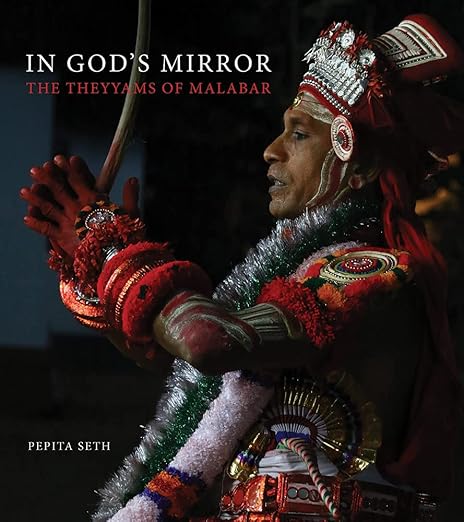
The more you understand about Theyyam before you arrive in North Kerala, the richer your experience will be. From scholarly studies of ritual structure and caste dynamics to photographic journeys through Kannur's kavus — these books prepare you to witness what others merely watch.
Browse Theyyam Books →Affiliate link — we earn a small commission at no extra cost to you.
Kalaripayattu — Experiencing the Mother of All Martial Arts
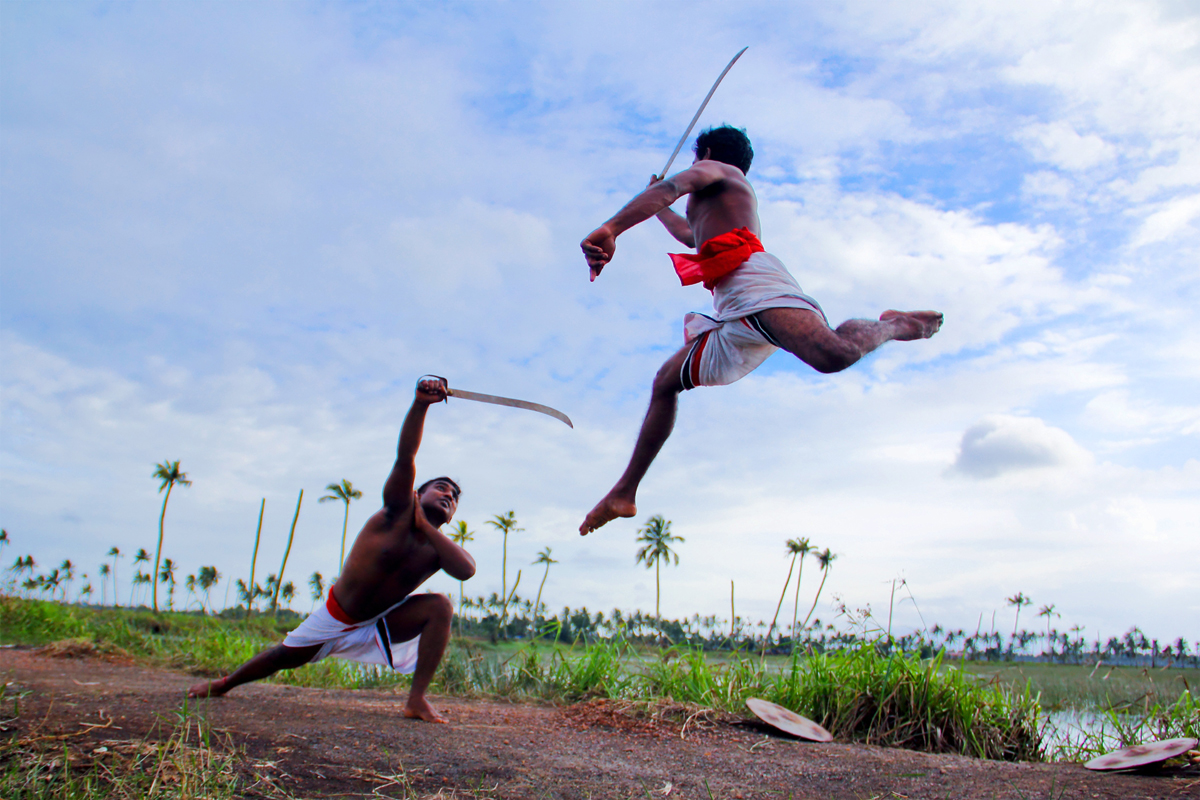
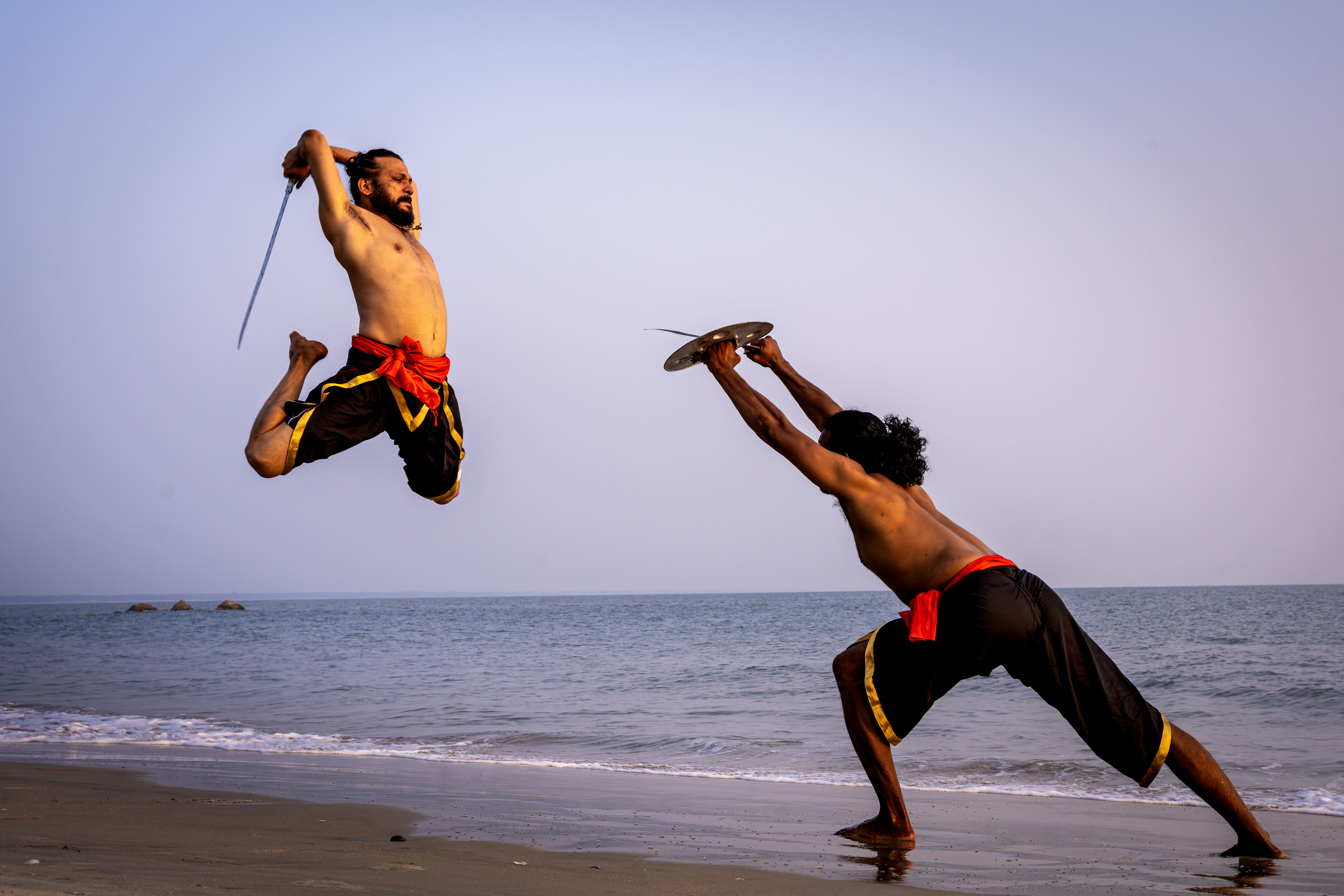
If Theyyam is North Kerala's most spiritually vivid tradition, Kalaripayattu is its most physically extraordinary. Often called "the mother of all martial arts," Kalaripayattu is a 3,000-year-old psycho-physiological discipline that combines combat techniques, a sophisticated healing system (Marma Chikitsa), herbal medicine, and a philosophy of the body that has influenced everything from classical Indian dance to the development of Chinese martial arts through the legendary Bodhidharma connection.
For the cultural traveller, experiencing Kalaripayattu in North Kerala is not difficult — but experiencing it authentically requires some discernment. There are hotel demonstration programmes that show cleaned-up versions of Kalari moves for tourist audiences, and then there are actual kalaris — training spaces where practitioners have been learning and teaching for generations. The difference is unmistakable the moment you walk through the door.
What a Kalari Visit Involves
A traditional kalari is a long, rectangular earthen pit — slightly below ground level, with walls of packed earth that moderate temperature. The floor is consecrated ground, marked with specific ritual significance. The training day begins before dawn with prayers to Kali and the guardian deity of the specific kalari tradition. Training involves systematic body conditioning, breathing exercises, specific sequences of movement (called meyppayattu), weapons practice, and — at the highest levels — the application of Marma knowledge in both combat and healing contexts.
Visitors to a working kalari are expected to observe quietly, follow instructions about where to stand and what not to touch, and treat the space with the same respect they would give a place of worship — because it is one. The best kalari experiences for visitors include morning training observations, brief introductory sessions in basic exercises, and — for serious travellers — multi-day residential programmes that give a genuine sense of how this tradition functions as a complete life discipline.
Beypore — Where Ancient Ships Are Still Built by Hand
Approximately 70 km south of Kannur, in Beypore near Kozhikode, a tradition is maintained that connects present-day Kerala to its medieval maritime history in the most direct way imaginable: the building of Beypore Uru — traditional wooden dhow ships — using techniques passed down orally through Muslim artisan families for centuries. No blueprints. No CAD software. Only the accumulated knowledge of generations, embodied in the hands and eyes of master craftsmen called Khalasis.
A Beypore Uru can take between one and three years to complete, depending on size. Made exclusively from Indian teak, using traditional fastening methods, these vessels are still ordered by Arab merchants from the Gulf — continuing a trade relationship that has existed since at least the 9th century CE. Visiting the Beypore shipyard is a genuinely humbling experience: watching craftsmen work without written plans on vessels that will sail the Indian Ocean is a reminder that human knowledge does not require documentation to be sophisticated.
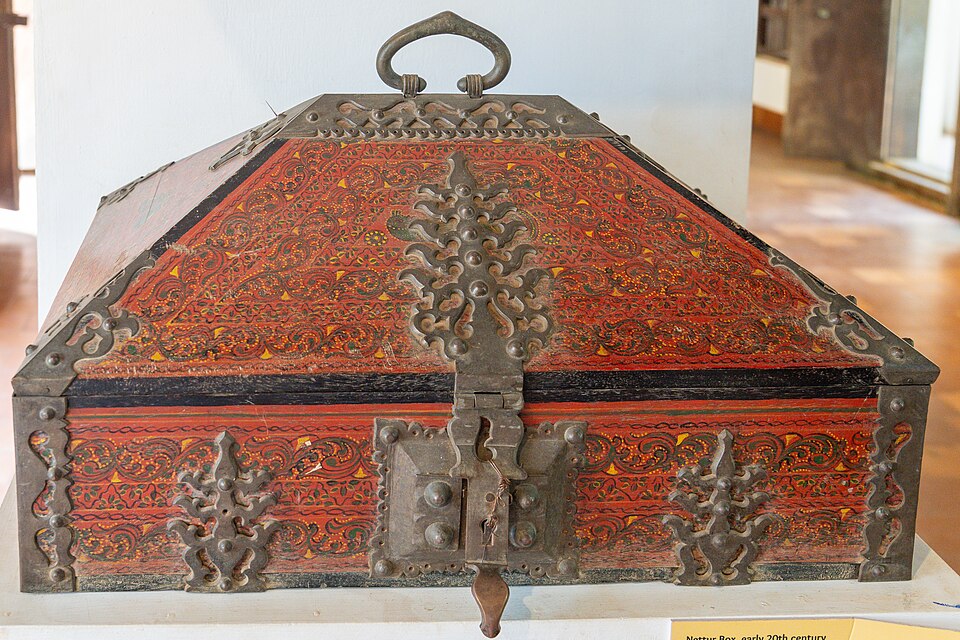
North Kerala's cultural heritage lives not only in its rituals but in its extraordinary craft traditions — Nettur Petti jewellery boxes, bronze ritual objects, Theyyam-inspired art, and heritage home décor. Authentic handcrafted Kerala objects available on Amazon.
Browse Kerala Crafts →Affiliate link — we earn a small commission at no extra cost to you.
Vadakkan Pattukal — The Oral Literature of North Kerala
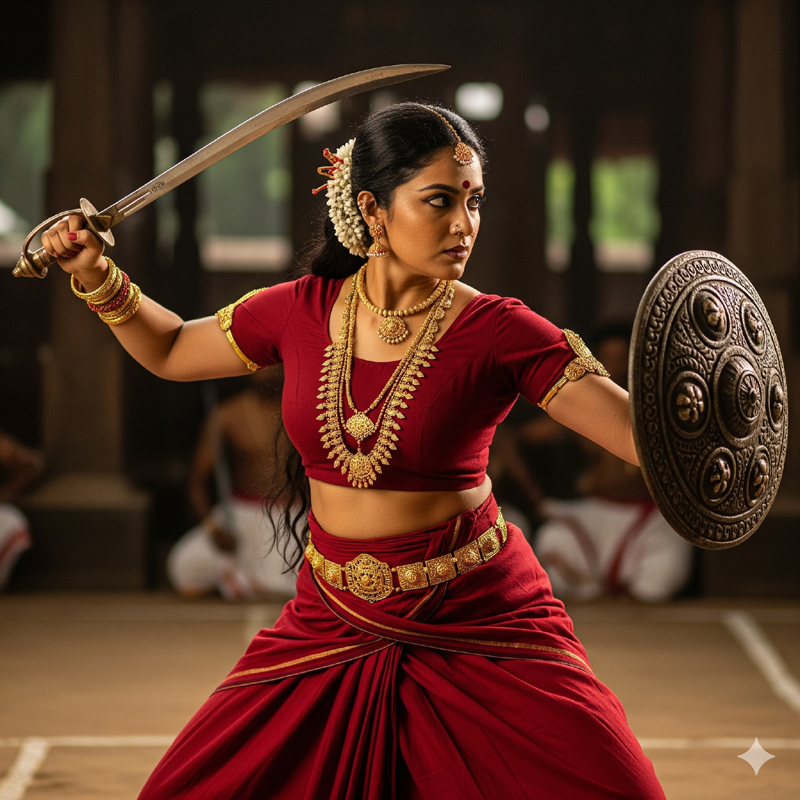
North Kerala's verbal folklore tradition is as extraordinary as its performing arts. Vadakkan Pattukal — the "Songs of the North" — are warrior ballads composed between roughly the 12th and 20th centuries, narrating the heroic exploits of medieval Malabar's legendary figures: Aromal Chekavar, Thacholi Othenan, and the remarkable Unniyarcha — a master of Kalaripayattu and one of the most compelling female figures in all of Indian oral literature.
What makes Vadakkan Pattukal remarkable is where they were composed and preserved. Not in royal courts or monastic libraries, but in paddy fields — sung by working women as they transplanted seedlings, passed from generation to generation without a single written word. This is oral literature in the fullest sense: literature whose transmission medium is the human voice and the human body, whose survival depends on living practice rather than institutional preservation.
For the cultural traveller, the Vadakkan Pattukal tradition comes alive most vividly through its connection to Kalaripayattu — many of the ballad heroes were master Kalari warriors, and their stories encode the warrior culture and social values of a specific historical landscape that you can still physically walk through today in the Kolathunadu region of northern Kannur and Kasaragod.

The Aranmula Kannadi — the world's only metal-alloy first-surface mirror — shares something essential with Vadakkan Pattukal: both carry centuries of knowledge through hereditary tradition. GI-protected, one of Kerala's eight Ashtamangalyam objects, handcrafted for 400 years. A meaningful gift from Kerala's living cultural world.
View on Amazon →Affiliate link — we earn a small commission at no extra cost to you.
A 7-Day North Kerala Cultural Itinerary
The following itinerary assumes you are visiting during the Theyyam season (November–March). It is designed for genuine immersion, not sightseeing — expect longer time at each location than a conventional travel itinerary would suggest. Base yourself in Kannur for the first four nights, then Kozhikode for the final three.
Arrive in Kannur and settle in. Kannur's own cultural landscape is worth a half-day before you venture into the kavus. St Angelo Fort (built by the Portuguese in 1505 and later occupied by the Dutch and British) tells the colonial story of North Kerala's coast — the history that produced the Kappiri Muthappan ghost legend and shaped the Beypore shipbuilding trade. Arakkal Museum, housed in the palace of the only Muslim royal family in Kerala, offers a remarkable window into North Malabar's syncretic cultural history.
In the evening, walk the Payyambalam Beach area and begin asking at your homestay or guesthouse about upcoming Theyyam performances in nearby kavus. A local contact is the single most valuable resource you can have in North Kerala.
Morning: drive 15 km from Kannur to Parassinikkadavu Muthappan Temple. Arrive before 7 AM for the morning Muthappan Theyyam. This is the ideal first Theyyam experience: it is daily, welcoming, and the setting — on the banks of the Valapattanam River — is beautiful. Spend at least two hours here. Observe the ritual from start to finish, receive the blessing if offered, and eat at the temple's communal dining area if it is open.
Afternoon: rest and prepare. Evening: attend a Theyyam performance at a local kavu (your homestay contact will know which is performing). Stay for the full night if you are able. This is the experience you came for.
Rise before 5 AM for a Kalaripayattu training session at a working kalari in Kannur. Pre-arrange this through your accommodation — the best kalari experiences are not advertised on booking platforms but are accessed through personal introduction. Watch the morning training, participate in basic exercises if invited, and ask the master (gurukkal) about the tradition's history in the region.
Afternoon: visit the Kannur Handloom Weavers' Cooperative — one of the most celebrated handloom traditions in Kerala, producing the distinctive Kannur fabrics. The weavers are often willing to explain their craft; the rhythmic sound of the looms is itself a kind of music. Evening free for rest or another kavu visit.
Drive 70 km north to Kasaragod — the northernmost district of Kerala, where the cultural landscape shifts slightly toward Karnataka. Bekal Fort, the largest fort in Kerala, sits dramatically above the Arabian Sea and tells the story of North Malabar's defensive history across the Kolathiri, Vijayanagara, Hyder Ali, and British periods. Ananthapura Lake Temple — the only lake temple in Kerala and believed to be the original seat of the Ananthapadmanabha deity — is an extraordinary experience: the small temple sits on an island in a natural lake, reached by a short bridge, in an atmosphere of remarkable natural serenity.
Evening: Kasaragod district has its own active Theyyam tradition — ask locally about performances. Return to Kannur or stay overnight in Kasaragod.
Drive into Wayanad — the high plateau district that forms North Kerala's interior, bordering Karnataka and Tamil Nadu. Wayanad's tribal communities (Kurichiyar, Paniya, Adivasi) maintain cultural traditions that predate Kerala's recorded history. Visit the Uravu Tribal Arts and Crafts Centre near Kalpetta — a community enterprise by the Urali Kuruma tribe producing and selling their traditional crafts. Respectfully explore the cultural landscape with a local tribal guide.
The Lakkidi Ghat road — where the Karinthandan legend lives — descends dramatically from the Wayanad plateau to the Kerala lowlands, one of the most beautiful road journeys in South India. The sacred chain that marks the road at the Lakkidi viewpoint is directly connected to the ghost tradition of the betrayed indigenous guide.
Move to Kozhikode — the historical Calicut, where Vasco da Gama landed in 1498 and where the Zamorin kingdom's cultural patronage produced some of the most important developments in Kerala's martial, literary, and performing art traditions. Kappad Beach, where da Gama landed, is marked by a modest memorial that understates the enormity of the historical event that occurred there.
Drive 12 km to Beypore for the afternoon. Visit the working dhow shipyard — arrive unannounced and simply ask if you may look. The craftsmen are generally welcoming to genuinely curious visitors. The scale of the timber structures being worked by hand is extraordinary. Lokanarkavu Temple near Kozhikode is one of the most significant Theyyam temples in this district — ask about upcoming performances.
En route from Kozhikode back toward Kannur or Calicut Airport, spend your final day in Thalassery — a town with a uniquely layered cultural identity. The British built a substantial fort here in 1708; the remnants are still visible and historically evocative. Thalassery is also the birthplace of Kerala's circus tradition — the Indian circus originated here in the 19th century through a confluence of Kalaripayattu acrobatic training and entrepreneurial innovation by Keeleri Kunjikannan. It is also renowned for its distinctive Thalassery biryani — a different style from the Malabar norm, using Kaima rice.
The nearby Muzhappilangad Drive-In Beach — the longest drive-in beach in Asia — provides a final, gentle ending to an intense cultural journey. Drive its 4 km length at low tide and watch the sun descend over the Arabian Sea.
North Kerala's Living Traditions at a Glance
For travellers planning their priorities, here is a concise overview of what each major North Kerala tradition offers — and where to go deeper on this site:
Theyyam
400+ forms of divine possession ritual performed November–May in sacred groves. The centrepiece of any North Kerala cultural journey. Requires cultural preparation to experience meaningfully.
Full Theyyam GuideKalaripayattu
One of the world's oldest martial arts — combat, healing, and spiritual discipline combined into a single living tradition. Authentic kalari experiences available year-round in Kannur and Kozhikode.
Full Kalaripayattu GuideBeypore Uru
Traditional wooden dhow shipbuilding at Beypore, Kozhikode — crafted without blueprints using ancient techniques by Muslim artisan families. A GI-tagged living heritage tradition connecting present-day Kerala to its medieval trade history.
Full Beypore GuideVadakkan Pattukal
Medieval warrior ballads preserved orally through centuries by working women in paddy fields — the unwritten history of North Malabar's martial culture, encoding real social events in poetic form.
Full Ballads Guide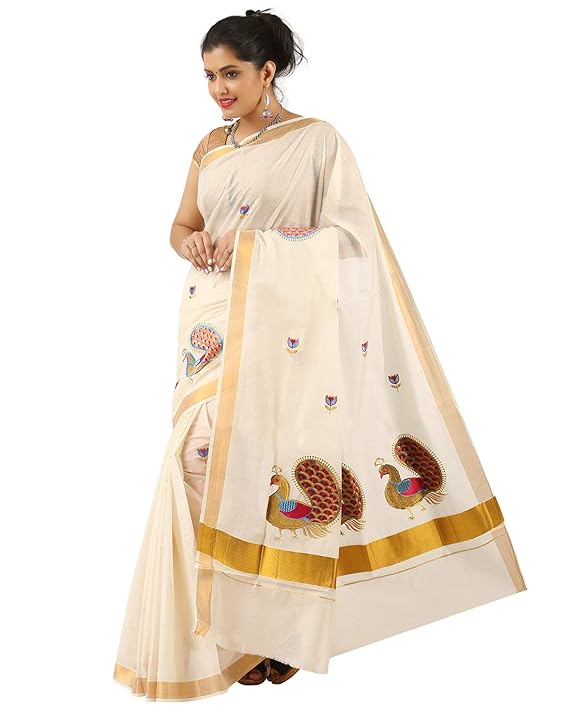
When visiting Theyyam kavus and temples in North Kerala, traditional attire is not merely respectful — it is the right way to experience these spaces. The Kerala Kasavu saree — white cotton with gold zari border — is the most graceful festival and temple attire for women, and signals genuine cultural respect.
Shop Kerala Kasavu Saree →Affiliate link — we earn a small commission at no extra cost to you.
Practical Information for Your North Kerala Cultural Tour
Best Time to Visit
For Theyyam, the window is November to May, with December–March as the peak. Outside this season, you can still experience Kalaripayattu, Beypore, Vadakkan Pattukal cultural sites, and Muthappan's daily Theyyam at Parassinikkadavu year-round. The pre-monsoon months of April and May offer thinning crowds but the beginning of intense heat. The monsoon (June–September) transforms North Kerala's landscape beautifully, but many outdoor cultural sites are less accessible.
Getting to North Kerala
By Air: Kannur International Airport serves Kannur directly with flights from major Indian cities and Gulf destinations (important for the Malayali diaspora market). Calicut International Airport (Kozhikode) is approximately 100 km south and has more extensive connections. Both are served by Air India, IndiGo, SpiceJet, and several Gulf carriers.
By Train: Kannur railway station is on the Shoranur–Mangalore main line and is connected to Mumbai, Delhi, Chennai, Bangalore, and all major Kerala cities. Kozhikode station is a major junction with even more connections. Both stations are well-connected to local bus services for onward travel.
By Road: NH 66 (the old NH 17) runs the length of the Kerala coast through Kannur and Kozhikode. State highways connect to Kasaragod (north) and Wayanad (inland). Rental cars with drivers familiar with the local kavu roads are the most practical option for Theyyam visits.
Where to Stay
For a genuine cultural tour, heritage homestays are strongly preferable to hotel chains. Kannur has several excellent heritage homestays in traditional Kerala houses where the hosts can provide direct introductions to Theyyam families, kalari practitioners, and weavers' cooperatives. The personal connection makes an enormous difference to the quality and depth of cultural access. Look for stays affiliated with the Kerala Tourism responsible tourism networks rather than booking platform aggregators.
"The best guide in North Kerala is not a licensed tour operator. It is a local who knows which kavu is performing tonight, which master will accept a visitor tomorrow, and which bend in which road is worth stopping for."