V. Folklore in the Landscape: Sites of Epic Significance
In South Kerala, the physical landscape is intrinsically linked to epic narratives, with major tourist destinations acting as monumental repositories of folklore.
A. Jatayu Earth's Center (Kollam): The Ramayana Legend and Modern Pilgrimage
The Jatayu Earth’s Center, located just beyond the Thiruvananthapuram district, is a remarkable destination that leverages ancient mythology to drive modern, sustainable tourism.44 The entire park is built as a tribute to the legend of Jatayu, the great mythical bird from the Ramayana.45 According to the epic, Jatayu bravely intervened when Ravana abducted Sita. In the ensuing battle, Jatayu’s wings were clipped, and he fell to the ground, with the site of his fall believed to be the location of the modern center.4
To honor this story of valor and sacrifice, the site features the world’s largest functional bird sculpture—a masterpiece spanning 200 feet in length. This project represents a successful model for utilizing deep-rooted folklore to fund ecological preservation. The park operates on solar power, utilizes rainwater harvesting, and protects local flora and fauna, integrating eco-tourism with adventure activities (rock climbing, zip-lining) and wellness (an Ayurvedic healing cave).46 Access to the summit, offering panoramic views, is provided by modern, Swiss-made cable cars.44
Travel tip: for guided visits combining the park with local tours and adventure activities, consider booking a local experience in advance via Viator (e.g., an Alleppey walking or Trivandrum sightseeing tour) to ensure slots for cable-car access and eco-activities. Viator — Alleppey Free Walking Tour | Viator — Trivandrum Full-Day.
B. Spiritual Vistas: Royal Escapes and Ancient Lore
The geography of South Kerala is interpreted through a royal and spiritual lens, with sites often tied to either the Travancore Maharajas or ancient sages.
Varkala: Known for its striking coastal cliffs and beaches, Varkala is celebrated not just for its natural beauty but also for its profound spiritual aura, making it a key location where relaxation and pilgrimage intersect.3
Ponmudi Hills: These hills served historically as the favored summer retreat for the Travancore royals, providing a cooler escape from the coastal heat of Thiruvananthapuram.3
Agasthyar koodam Biosphere
: Located in the Western Ghats, this is a UNESCO site that holds deep spiritual significance, tied to the ancient legend of the sage Agastya, an important figure in Hindu tradition.3 This area, while offering lush greenery for nature lovers, often requires special permits for entry due to its ecological sensitivity.
Travel tip: book accommodation and transport early for hill-station stays using a reliable booking portal (e.g., Booking.com or compare options via Tripadvisor). For flights into Kerala, check multi-source flight search engines like Kiwi or Aviasales to find competitive fares.
C. The Enduring Magic of Local Legends
Beyond the grand epics, local folklore remains vibrant in the oral tradition. Tales of spirits, notably the Yakshi (female demonic spirits), are deeply embedded in the cultural memory. A prominent example is Kalliyankattu Neeli.6 These tales often intersect, notably in the stories detailing how Kadamattathu Kathanar used his sorcery to halt and impale the terrifying Yakshi, reinforcing the complex mythological map of the region where heroes, deities, and supernatural entities actively shape the landscape.6
VI. Experiential Tourism: Planning, Logistics, and Culinary Immersion
To fully capitalize on the cultural richness of South Kerala, international tourists must engage in careful planning, particularly concerning ritual timing and local customs.
A. Seasonal Planning and Cultural Alignment
The nature of South Kerala’s cultural attractions demands planning beyond typical monsoon or holiday seasons.
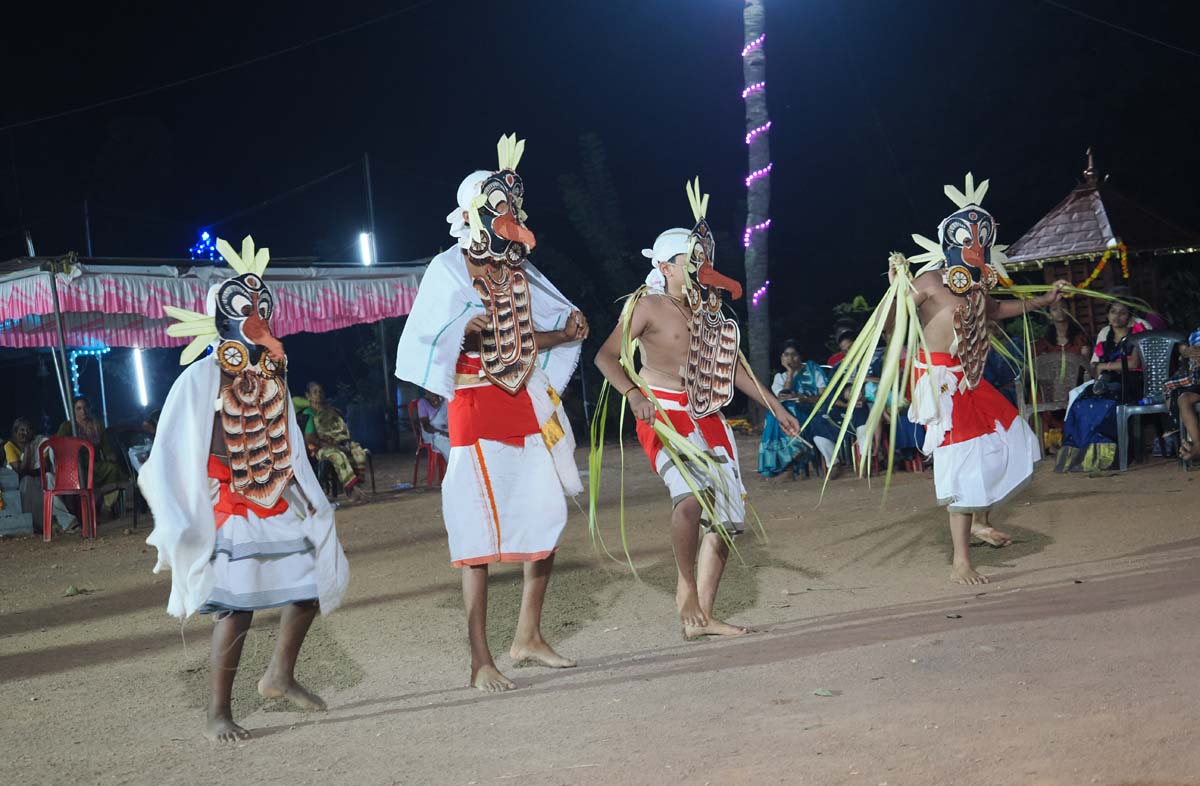
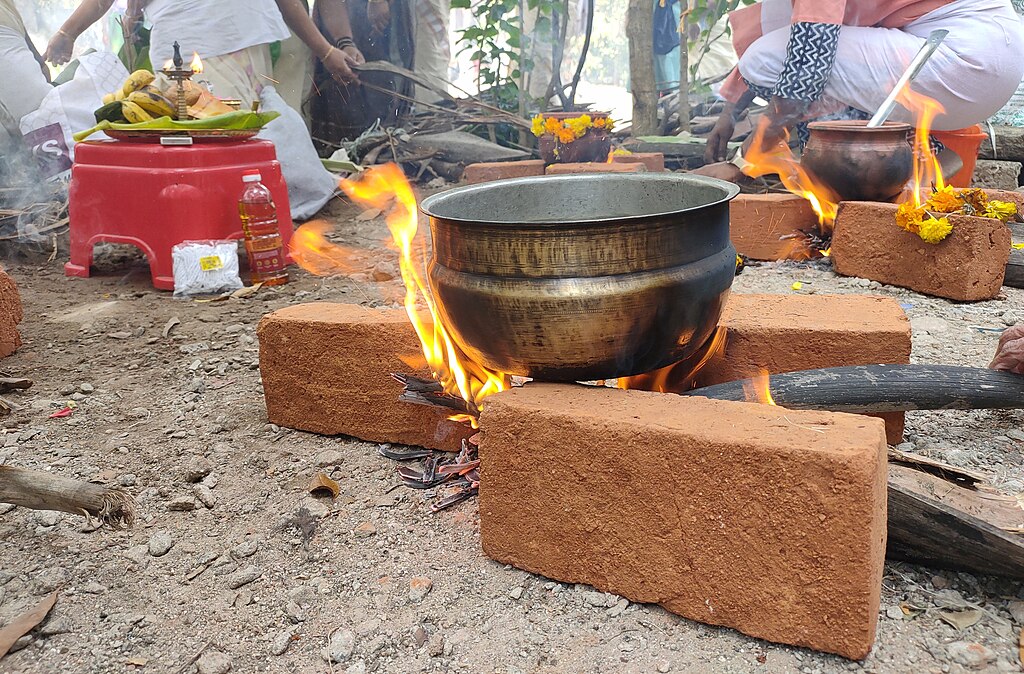
Peak Ritual Season: The period between February and April (Kumbham, Meenam, and Medam) is paramount for witnessing the most intense and authentic cultural events. This is the window for viewing ritual arts like Padayani16 and for experiencing the globally significant Attukal Pongala festival.29 These experiences are often exclusive to this short period.
Onam Festival: Tourists seeking a secular, state-wide celebration should plan for Onam, Kerala's most significant festival, celebrated in August or September. Onam honors the legendary return of the benevolent King Mahabali.5 This is when major public events, such as the vibrant Aranmula Boat Race in Pathanamthitta, take place.46
The region also holds the geographically centered spiritual significance of the Sabarimala Ayyappa Temple (Pathanamthitta). Its 41-day Mandala Mahotsav/Vratham draws millions of disciplined pilgrims, requiring tourists to understand the sheer scale and strict protocols of this highly revered site, although direct access is restricted to devotees.
B. Authentic Culinary Exploration
Kerala’s cuisine is a reflection of its history as a global trading port and its diverse religious demographics, relying heavily on coconut, rice, and spices. Culinary immersion should focus on regional specialties distinct from generic Indian fare.47
Breakfast Staples: Tourists should prioritize authentic local breakfast dishes such as Puttu (steamed rice cake) served with Kadala Curry (chickpea stew), or Idiyappam (string hoppers) paired with the subtly flavored, coconut-milk-based Fish Moilee. Appam (a fluffy, bowl-shaped pancake) served with vegetable or meat stew is also widely popular.47
Diverse Offerings: The influence of Kerala's Christian and Muslim communities ensures a rich non-vegetarian tradition, featuring popular dishes like Malabar Biryani and Porotta with Beef Curry.47 For traditional vegetarian experience, the Sadhya, a grand ceremonial feast served on a banana leaf, is essential, particularly during festivals like Onam, where various types of Payasam (sweet desserts) are served.47
C. Suggested Immersive Itineraries for Deep Cultural Engagement
To ensure a deep cultural engagement that moves beyond mere sightseeing, travelers should adopt a "slow tourism" approach, allowing adequate time to absorb the complexities of each site.
Table V.A: Key Cultural Sites of South Kerala Summary
| Site/Institution |
District |
Primary Cultural Value/Folklore Connection |
Key Attraction for Tourists |
| Sree Padmanabhaswamy Temple |
Thiruvananthapuram |
Anantha Shayana (Vishnu), Thrippadidanam, Vault B Legend11 |
Architectural fusion, sacred ritual viewing (Hindus only) |
| Krishnapuram Palace |
Alappuzha |
Traditional Pathinarukettu Architecture, Gajendra Moksha Mural34 |
Museum exhibits, study of Kerala palace design |
| Napier Museum & Art Gallery |
Thiruvananthapuram |
Indo-Saracenic architecture, historical relics, traditional Kerala art36 |
Historical context of Travancore, art preservation |
| Aranmula Heritage Village |
Pathanamthitta |
GI-certified Aranmula Kannadi, Boat Race, Parthasarathy Temple40 |
Artisan workshop visits, immersion in living craft |
| Jatayu Earth’s Center |
Kollam |
Ramayana Epic (Jatayu’s Sacrifice)4 |
World's Largest Bird Sculpture, cable car views, eco-adventure44 |
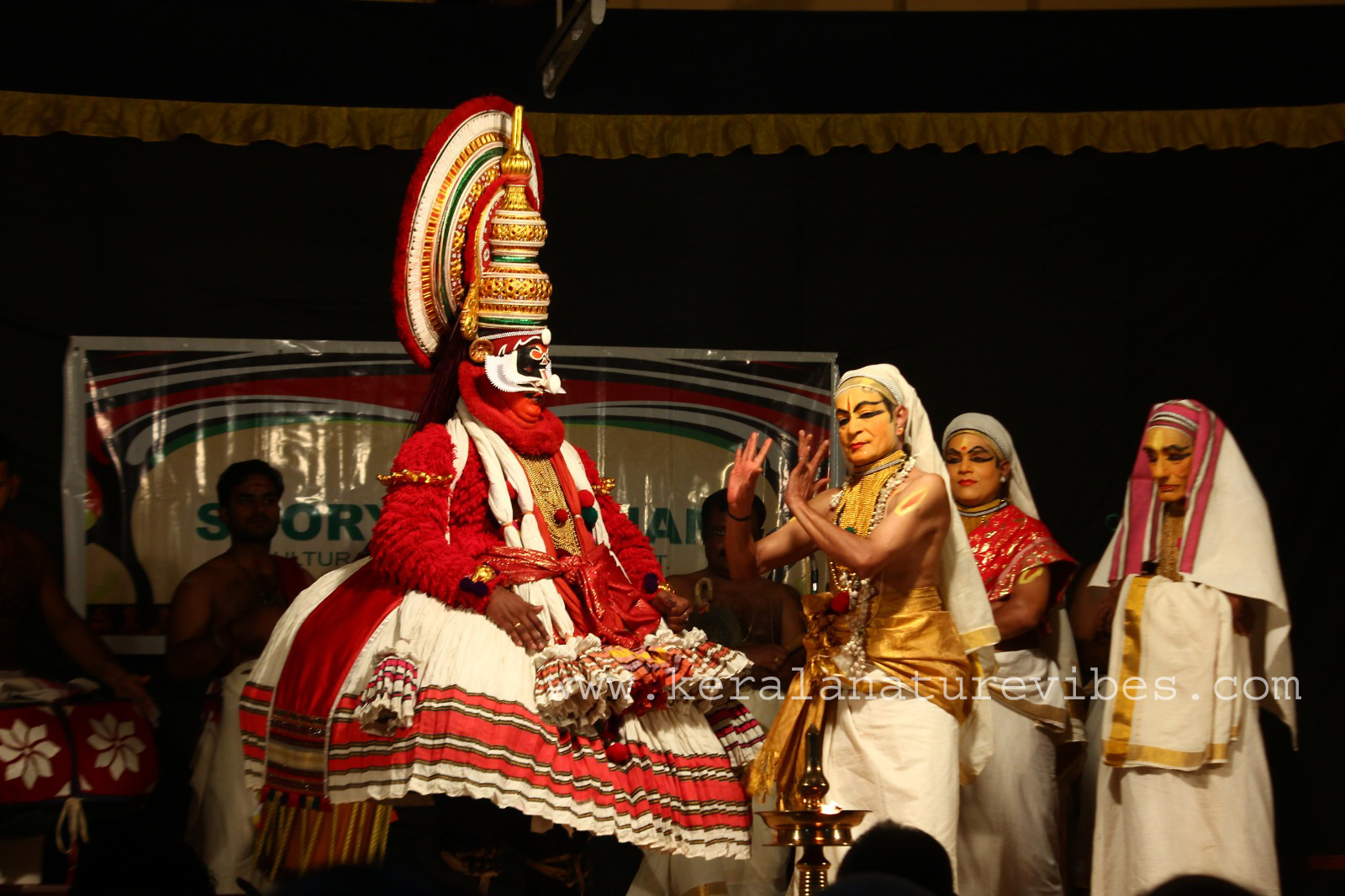
Itinerary 1: The Travancore Royal Trail (3–4 Days, Thiruvananthapuram/Alappuzha): Focuses on political and artistic heritage. Includes a full architectural viewing of Sree Padmanabhaswamy Temple, dedicated time at the Napier Museum and Sree Chithra Art Gallery, a visit to Krishnapuram Palace to study Pathinarukettu architecture, and an evening viewing of Kathakali at the Margi School in Trivandrum to witness the Southern style. The experience is further enriched by visiting the ancestral seat, Padmanabhapuram Palace. For private guided tours or transfer logistics, consider Viator private tours or book accommodation through Booking.com and compare local reviews on Tripadvisor.
Itinerary 2: The Ritual Arts Circuit (3 Days, Pathanamthitta/Kollam, Seasonal): Must be planned precisely during the February–April window. Focuses on witnessing Kadammanitta Padayani or Neelamperoor Padayani. This is paired with a visit to Aranmula Village to observe the Aranmula Kannadi crafting process and a tour of the Vasthuvidya Gurukulam to understand traditional architectural philosophy. For organised local experiences, look for curated tours on Viator or book nearby stays via Trip.com (compare offerings and cancellation policies before booking).
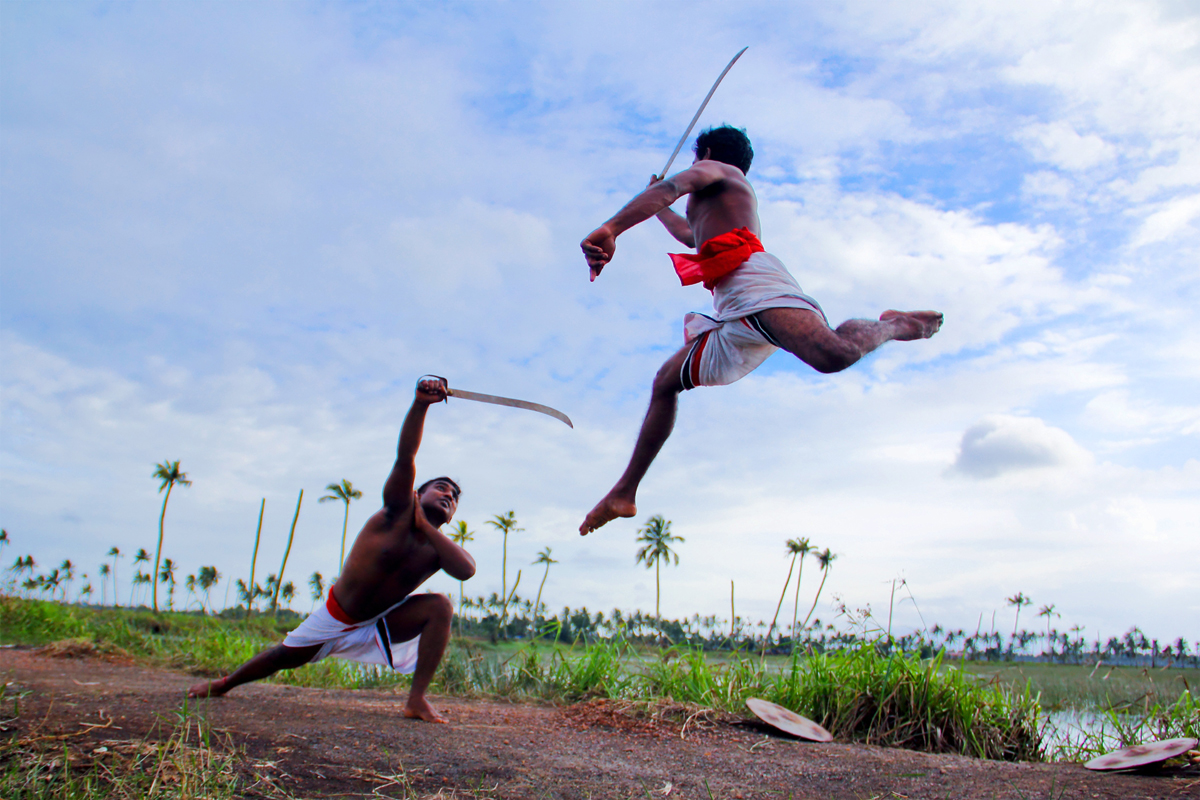
Itinerary 3: Folklore and Wellness (2 Days, Kollam/Trivandrum): Focuses on the integration of mythology, performance, and health. This itinerary includes a morning viewing of Kalaripayattu practice (e.g., CVN Kalari in East Fort), a visit to the Sasthamcotta Temple for the unique monkey feeding ritual, and time at the Jatayu Earth’s Center, combining epic narrative with adventure and Ayurvedic rejuvenation (e.g., the cave healing center). For combined adventure bookings, check activity bundles or local operators listed on Viator and secure travel insurance or flight compensation where appropriate via services like Airhelp or Compensair.
VII. Conclusions and Recommendations
South Kerala offers a distinct cultural experience, defined by the unified political and spiritual vision of the Travancore Kingdom. The cultural value is layered, ranging from the highly sacred and restrictive domains (temples, ritual performances) to engaging, hands-on craft centers and modern adventure parks built on ancient folklore.
A foundational understanding of the interconnectedness of myth, architecture, and governance is key to maximizing the visitor experience. The historical act of Thrippadidanam provides context for the immense wealth and sanctity of the temples, while the Parasurama legend validates the unique, indigenous building practices.
The primary recommendation for the international visitor is the necessity of specialized seasonal planning. Authentic ritual arts like Padayani and the monumental Attukal Pongala are strictly time-bound (Feb–Apr), requiring targeted travel windows rather than general holiday booking. Furthermore, travelers must respect the contrast between the highly sacred sites, which demand observation from a distance (due to entry and dress restrictions), and the highly accessible heritage centers, such as the Aranmula Kannadi workshops or the Jatayu Earth’s Center, which encourage direct engagement. By adopting a slower pace and focusing on these niche experiences, the international traveler can gain a nuanced appreciation of the Gilded Shore's profound cultural legacy.
Practical travel note: for flight searches use multi-source engines like Kiwi or Aviasales; for low-cost last-minute flights consider aggregators like Cheapoair or Compensair for compensation claims. For multi-stop or complex routes, check Trip.com and compare accommodation rates on Booking.com. For any pre-booked shore excursions and private transfers at Kochi, Viator offers curated local options (see Kochi private tours).
References
- Department of Tourism, Government of Kerala. Jatayu Earth’s Center Project Overview. 2023.
Visit source
- Kerala State Department of Archaeology. Travancore Heritage Conservation Report. 2022.
keralastatearchaeology.org
- UNESCO World Heritage Centre. Agasthyamalai Biosphere Reserve Documentation. 2021.
whc.unesco.org
- Ramakrishnan, K. P. Legends of the Western Ghats: Myth and Geography in South Kerala. DC Books, Kottayam, 2018.
- Menon, A. Sreedhara. A Survey of Kerala History. Sahitya Pravarthaka Co-operative Society, Kottayam, 2017.
- Namboothiri, Elamkulam Kunjan. Folklore and Ritual Traditions of Kerala. Kerala Folklore Academy, 2016.
keralafolklore.org
- Department of Culture, Government of Kerala. Padayani and Ritual Art Forms in Central Travancore. 2019.
keralaculture.org
- Aranmula Heritage Trust. Aranmula Kannadi Craft Preservation Report. 2020.
aranmulakannadi.in
- Vasthuvidya Gurukulam, Aranmula. Traditional Architecture Studies: Research Bulletin. 2022.
vasthuvidyagurukulam.org
- Kerala Food and Travel Authority. Culinary Heritage of Kerala. 2023.
keralatourism.org/food
- Kerala Tourism Development Corporation. Onam Celebrations and Boat Races. 2022.
ktdc.com
- UN Environment Programme. “Cochin Airport: The World’s First Solar Powered Airport.” 2020.
unep.org
- Compendium of Kerala Folklore Studies. South Kerala: Landscape, Myth and Society. 2024.
keralafolklore.com
- Kerala Nature Vibes: Heritage and Cultural Trails of Kerala. 2024.
keralanaturevibes.com